Introduction to Renting in London
Renting a property in London can be an exciting step into the vibrant heart of the UK. With its rich history, diverse culture, and endless opportunities for work and play, the capital city attracts a multitude of tenants from around the world. However, navigating the rental market can be a complex journey. This guide aims to shed light on the vital elements of renting in London, ensuring you make informed decisions as you search for your ideal home.
The Importance of Location in London Rentals
When it comes to renting in London, location is more than a mere convenience—it's a lifestyle choice that influences your daily routine, leisure activities, and social sphere. A well-situated home can mean the difference between a cumbersome commute and a pleasant stroll to work. It's essential to consider proximity to public transport, local amenities, and the character of the neighbourhood when selecting your rental property.
Imagine waking up in a cozy room just minutes away from your daily destinations. Staying at a place like the sidney hotel london can offer a glimpse into the convenience and excitement of living in a strategically-located rental in this vibrant city. For those looking for a more permanent residence, such experiences underscore the importance of picking the right locale within the sprawling metropolis of London.
Understanding the Diverse London Neighbourhoods
London is a tapestry of neighbourhoods, each with its unique personality and charm. From the historic streets of Notting Hill to the bustling markets of Camden Town, the city offers a wide array of choices to suit any preference. Learning about the distinct character, average rental prices, and community vibe of these areas is key to finding a place that feels like home.
Neighbourhood | Average Rent (pcm) | Vibe | Key Attractions | Transport Links |
|---|---|---|---|---|
Shoreditch | £1,800 | Edgy and artistic | Street art, trendy bars | Overground, Buses |
Kensington | £3,000 | Affluent and elegant | Museums, Royal Parks | Tube, Buses |
Islington | £2,200 | Vibrant and bohemian | Theatres, Restaurants | Tube, Overground |
Greenwich | £1,600 | Historical and maritime | Maritime Museum, Market | DLR, Riverboat |
Discovering the Best Areas to Call Home
Family-Friendly Neighbourhoods for Renters in London
When searching for a family-friendly neighbourhood in London to make your home, several factors come into play. Proximity to good schools, parks, and community centers often top the list. Hampstead, Richmond, and Greenwich stand out as top contenders. Hampstead offers the charm of a village within the city, complete with access to the sprawling Hampstead Heath. Richmond is renowned for its green spaces such as the Richmond Park and riverside walks along the Thames, while Greenwich boasts of a rich maritime history and a tranquil living environment.
Here is a quick guide to family-friendly neighbourhoods in London:
Neighbourhood | Top Schools | Parks and Playgrounds | Local Amenities | Average Rent for 3 Bedroom |
|---|---|---|---|---|
Hampstead | St. John's Wood Pre-Prep, South Hampstead High | Hampstead Heath | Boutiques, Cafes | £3,000+ |
Richmond | King's House School, The Vineyard School | Richmond Park, Terrace Gardens | Theatres, Restaurants | £2,500+ |
Greenwich | Invicta Primary School, Greenwich Steiner School | Greenwich Park, The Pleasaunce | Market, Maritime Museum | £1,800+ |
Trendy Districts for Young Professionals
For young professionals craving a dynamic atmosphere and a rich social life, London doesn't disappoint. Shoreditch and Hoxton are the go-to areas for a taste of the avant-garde and street art galore, not to mention the plethora of bars and independent coffee shops. Meanwhile, Camden offers a livelier music scene and bustling marketplaces. If you're into a blend of tradition and modernity with upscale dining options, Marylebone is an exquisite choice, nestled just a stone's throw from the vibrant West End.
Quiet Zones: Finding Peaceful Neighbourhoods in the Bustling City
Finding serenity in London is not as elusive as some may think. For those in search of tranquility, Barnes is a delightful sanctuary bordering the Thames, known for its wildlife reserve and quaint village feel. On the fringes of the city, Dulwich offers an escape with its leafy streets, grand homes, and the serene Dulwich Park. Alternatively, consider Kew, where the Royal Botanic Gardens provide a respite from urban noise and the community is closely-knit.
Upscale London: A Guide to the Most Prestigious Areas
Exclusive Communities with High-End Rentals
When exploring the tapestry of London's prestigious areas, one will uncover an assortment of exclusive communities noted for their luxury rentals and esteemed clientele. Neighborhoods such as Knightsbridge, Mayfair, and Chelsea are synonymous with sophistication and are frequented by those with a penchant for upscale living.
Knightsbridge, with its proximity to the verdant expanse of Hyde Park and the world-renowned department store, Harrods, provides residents with a sumptuous urban sanctuary. Mayfair upholds its reputation for prestige with historic properties and refined ambiance, while Chelsea is the preferred locale for artists and high-profile individuals with its stylish boutiques and exquisite dining options.
The market for high-end rentals in these communities is robust, offering anything from serviced apartments with concierge services to palatial multi-bedroom homes. The exclusivity of these areas is further underlined by their limited accessibility, maintaining a level of privacy and tranquility for the residents.
Amenities and Lifestyle of the Affluent Neighbourhoods
The upscale neighbourhoods of London boast more than just grand homes; they offer a lifestyle that caters to every conceivable luxury and comfort. From private members' clubs and spas to galleries and theatres, the amenities are designed to cater to the interests and desires of an affluent clientele.
The ease and quality of life are further elevated by the presence of exclusive schools, high-profile networking events, and gourmand experiences at Michelin-starred restaurants making it an epitome of luxury living. For those with a keen interest in fashion and design, these areas offer access to bespoke tailoring, couture boutiques, and artisan workshops.
Lush parks and squares provide serene havens within the city's energetic pace, offering residents leisurely retreats for relaxation and recreation. High-end fitness clubs and personal trainers are also readily available to ensure wellness and health are maintained to the highest standards.
Luxury Amenities in Upscale London | |||
Service | Knightsbridge | Mayfair | Chelsea |
|---|---|---|---|
Boutique Shopping | Harrods, Harvey Nichols | Bond Street, Savile Row | King's Road, Sloane Street |
Fine Dining | Dinner by Heston Blumenthal | The Ritz Restaurant | The Ivy Chelsea Garden |
Private Clubs | The Bulgari Spa | The Arts Club | Chelsea Arts Club |
Art Galleries | Saatchi Gallery | Halcyon Gallery | Gagosian Gallery |
Parks and Green Spaces | Hyde Park | Green Park | Battersea Park |
Exclusive Communities with High-End Rentals
When exploring the tapestry of London's prestigious areas, one will uncover an assortment of exclusive communities noted for their luxury rentals and esteemed clientele. Neighborhoods such as Knightsbridge, Mayfair, and Chelsea are synonymous with sophistication and are frequented by those with a penchant for upscale living.
Knightsbridge, with its proximity to the verdant expanse of Hyde Park and the world-renowned department store, Harrods, provides residents with a sumptuous urban sanctuary. Mayfair upholds its reputation for prestige with historic properties and refined ambiance, while Chelsea is the preferred locale for artists and high-profile individuals with its stylish boutiques and exquisite dining options.
The market for high-end rentals in these communities is robust, offering anything from serviced apartments with concierge services to palatial multi-bedroom homes. The exclusivity of these areas is further underlined by their limited accessibility, maintaining a level of privacy and tranquility for the residents.
Amenities and Lifestyle of the Affluent Neighbourhoods
The upscale neighbourhoods of London boast more than just grand homes; they offer a lifestyle that caters to every conceivable luxury and comfort. From private members' clubs and spas to galleries and theatres, the amenities are designed to cater to the interests and desires of an affluent clientele.
The ease and quality of life are further elevated by the presence of exclusive schools, high-profile networking events, and gourmand experiences at Michelin-starred restaurants making it an epitome of luxury living. For those with a keen interest in fashion and design, these areas offer access to bespoke tailoring, couture boutiques, and artisan workshops.
Lush parks and squares provide serene havens within the city's energetic pace, offering residents leisurely retreats for relaxation and recreation. High-end fitness clubs and personal trainers are also readily available to ensure wellness and health are maintained to the highest standards.
Luxury Amenities in Upscale London | |||
Service | Knightsbridge | Mayfair | Chelsea |
|---|---|---|---|
Boutique Shopping | Harrods, Harvey Nichols | Bond Street, Savile Row | King's Road, Sloane Street |
Fine Dining | Dinner by Heston Blumenthal | The Ritz Restaurant | The Ivy Chelsea Garden |
Private Clubs | The Bulgari Spa | The Arts Club | Chelsea Arts Club |
Art Galleries | Saatchi Gallery | Halcyon Gallery | Gagosian Gallery |
Parks and Green Spaces | Hyde Park | Green Park | Battersea Park |
The London Rental Market Overview
The London rental market is a vibrant and ever-changing landscape, teeming with opportunities and challenges for tenants and landlords alike. Navigating this market requires an understanding of current trends, price fluctuations, and the unique characteristics of its varied districts. Whether you are a prospective renter seeking your next home or an investor analyzing potential yields, comprehending the intricacies of this market is essential.
Current Trends in the London Housing Market
Recent years have shown a dynamic shift in the London housing market, influenced by economic factors, regulatory changes, and evolving consumer preferences. There has been a growing demand for rental properties, partly due to the flexibility they offer in an increasingly mobile society. Additionally, the rise of remote work has changed priorities for many renters, with a focus on space and home office potential becoming more prominent.
Environmental considerations are also playing a more significant role in the decision-making process. Properties boasting green credentials or proximity to parks and open spaces are seeing heightened interest. These trends represent a broader picture of the current housing climate in London and have direct implications on the pricing and availability of rentals.
Prices: Understanding the Cost of Renting in Different Districts
The cost of renting in London can vary dramatically from one district to another. Factors such as proximity to central London, local amenities, and transport links all play a critical role in determining rental prices. The price of renting a flat or house will generally be higher in the heart of the city and in those areas well-serviced by London's extensive public transport network.
Here is a table showcasing the average monthly rent for a one-bedroom apartment in a selection of London districts, offering a snapshot of the market's diversity.
District | Average Rent (£) | Proximity to Central London | Local Amenities | Transport Links |
|---|---|---|---|---|
Kensington | 2,500 | Close | High | Excellent |
Shoreditch | 1,800 | Moderate | High | Good |
Brixton | 1,400 | Moderate | Moderate | Good |
Greenwich | 1,300 | Far | Moderate | Average |
Croydon | 1,000 | Far | Low | Moderate |
It's clear that each area offers a different balance of advantages. When considering where to live, potential renters should weigh these factors against personal priorities such as budget constraints, workplace location, or lifestyle preferences.
Areas to Exercise Caution When Renting
Identifying Neighbourhoods with Higher Crime Rates
When planning your next move, it's vital to be aware of the safety dynamics within potential neighbourhoods. Navigating through crime statistics can be a tricky task. Start by researching local news outlets, community reports, and online databases that compile crime information. Pay close attention to the types of crimes reported and their frequency. Some areas might have high instances of petty crimes, such as theft, while others might be prone to more severe offenses.
Attend neighbourhood watch meetings if available, or engage with local social media community groups. These platforms can provide real-time insights and allow you to ask residents directly about their experiences. Keep an eye out for patterns or repeated concerns mentioned by locals, as these can be indicative of deeper issues within the community.
Challenges Faced by Renters in Lesser-Known Areas
Renting in lesser-known areas can be attractive due to potential cost savings, but it may also come with its own set of challenges. One common issue is a lack of amenities, which can mean longer commutes to access groceries, healthcare, and entertainment. This can not only be an inconvenience but can also add to your living costs if you need to travel further regularly.
Sometimes, these areas may not have well-established community services, leading to feelings of isolation or disconnect for renters. It's important to assess the community's vibe and consider how it aligns with your social and lifestyle needs.
At a Glance: Renters' Challenges in Lesser-Known Areas | ||
Challenge | Impact | Potential Solutions |
|---|---|---|
High crime rates | Safety concerns, increased insurance costs | Invest in security measures, join community watch programs |
Scarce amenities | Inconvenience, possible higher transport costs | Scout for hidden local gems; consider proximity to public transit |
Poor public transport | Reduced mobility, increased reliance on personal vehicles | Explore carpooling, bike-sharing, or other alternative transport options |
Weak social infrastructure | Social isolation, fewer networking opportunities | Engage in local events, volunteer, reach out to community centers |
In exploring these areas, take a step-by-step approach to evaluate your potential new home:
Gather Information: Start by collecting as much data as possible on crime rates, amenities, and tenant reviews.
Visit the Area: Spend some time in the neighbourhood at different times of the day and week to get a true feel for the environment.
Connect with Locals: Strike up conversations with business owners and neighbours to solicit their perspectives on living in the area.
Consider Transportation: Evaluate the public transport options or walkability to ensure commuting is not a deal-breaker.
Prepare for Compromises: Decide which challenges you're willing to face and prepare accordingly, whether it be budgeting more for transportation or enhancing home security.
Navigating the London Transport System from Your New Home
Assessing Proximity to Public Transport in Potential Neighbourhoods
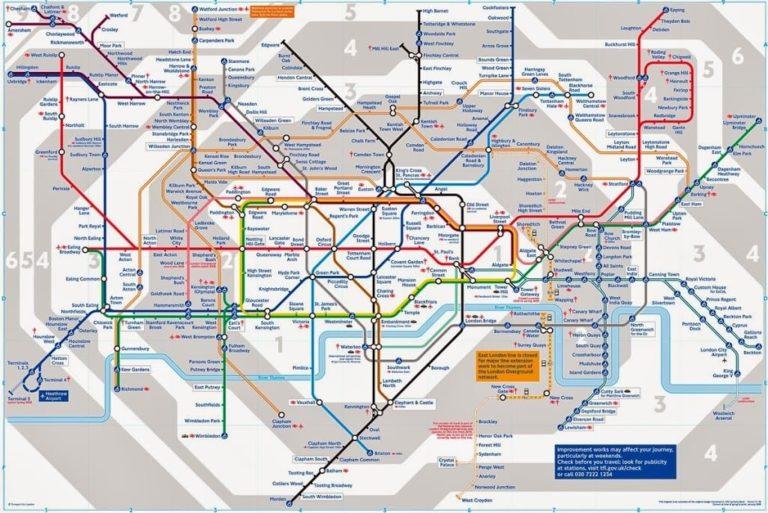
Finding the perfect neighbourhood in London is akin to discovering a hidden gem that balances charm with convenience. The proximity to public transport can greatly enhance the quality of life in the bustling metropolis, easing daily commutes and providing quick access to the city's endless attractions. When considering your next move, pay close attention to the location of tube stations, bus stops, and if you're fortunate, riverboat services. The iconic Tube map is not just a transit guide; it's a blueprint for a Londoner's lifestyle.
Explore the transport options available in each prospective neighbourhood. Frequent service, weekend night tubes, and accessibility features like lifts and ramps should be at the top of your checklist. It's also wise to gauge the average time it takes to travel to central London locations where you might work or socialize. Real estate agents and rental listings often highlight transport connectivity, but there's no substitute for visiting the area and taking a test journey for yourself.
The Impact of Transport Links on Rental Prices
The quality and variety of transport connections in London can have a substantial impact on rental prices. In general, the closer a property is to the Tube or key bus routes, the higher its rental value. As you expand your search beyond the heart of the city into Greater London, prices may become more affordable, but it's crucial to weigh the cost against increased travel times and potential transport expenses. The balance between affordability and convenience becomes a pivotal factor in decision-making.
Here's a breakdown to help illustrate the effect of transport links on rental prices across a selection of London neighbourhoods:
Neighbourhood | Zone | Average Rent (GBP) | Transport Accessibility | Commute Time to Central London |
|---|---|---|---|---|
Kensington | 1 | £3,000+ | Excellent (Tube, Bus) | 10-20 mins |
Clapham | 2 | £1,800 - £2,500 | Good (Tube, Rail, Bus) | 15-25 mins |
Wimbledon | 3 | £1,500 - £2,300 | Good (Tube, Rail, Tram) | 20-30 mins |
Brixton | 2 | £1,700 - £2,400 | Very Good (Tube, Rail, Bus) | 10-15 mins |
Greenwich | 3 | £1,400 - £2,200 | Good (Rail, Riverboat, Bus) | 30-40 mins |
While table data is an excellent tool to visualize the variations in price and connectivity, you might also consider the nearby amenities and the character of each neighbourhood. Remember, your day-to-day experience living in London extends beyond the borders of your residence. Embrace the vibrant street life, the local markets, parks, pubs, and of course, the people that will share in your London adventure.
Final Admonitions for Prospective Renters
Legal Considerations When Renting in London
Embarking on a rental journey in London calls for a keen understanding of the legal landscape. Firstly, ensure the tenancy agreement is crystal clear to both parties before signing. This contract stipulates your obligations and those of your landlord, covering details such as rent, deposit, maintenance, and notice periods. It is often an Assured Shorthold Tenancy (AST), the most common type.
Bear in mind that your landlord must protect your deposit using a government-approved Tenancy Deposit Scheme (TDS) and provide you with a prescribed information about it, a failure on which could result in penalties. Additionally, familiarize yourself with the Right to Rent check which ascertains your legal status to rent in the UK. Lastly, be aware of your rights to live in a property that's safe and in good repair, your landlord is legally obliged to offer this.
Mistakes to Avoid in the Rental Process
When looking for a rental property, it's easy to falter along the way. A common misstep is not inspecting the property thoroughly. It's vital to check for signs of damp, working appliances, and adequate security measures. Another pitfall is neglecting to read the fine print in your lease agreement; it contains crucial information that, if overlooked, could lead to unpleasant surprises down the line.
Avoid assuming that your rental property will come with insurance. Renters should acquire contents insurance to protect personal belongings. Also, be sure not to ignore the inventory report, as it is an official record of the items and condition of the property at the start of your tenancy. Lastly, do not hesitate to communicate with your landlord regarding any concerns; maintaining a good relationship can ease the rental process.
Mistake | Consequences | Prevention |
|---|---|---|
Skipping Property Inspection | Potential overlooked damages or issues. | Conduct a thorough walk-through. |
Ignoring Lease Details | Unexpected obligations or fees. | Read and clarify lease terms. |
No Contents Insurance | Risk of loss without compensation. | Get adequate contents insurance. |
Overlooking the Inventory Report | Disputes at the end of tenancy over damages. | Review and confirm inventory accuracy. |
Poor Landlord Communication | Misunderstandings and strained relations. | Keep open lines of communication. |