 "There is no passion in living small, in planning a life that is less than the life you could live," said Nelson Mandela, South African, Nobel Peace Prize winner in 1993.
A trip to South Africa is certainly something beyond our 'small': it is beyond our expectations, and for this reason it is always a guarantee of an unforgettable experience. To choose South Africa is to experience full, intense and surprising days, in contact with a sometimes uncontaminated nature and with populations of millenary culture and hospitality, getting to know their daily rituals and customs.
A safari in this territory will be the best way to understand the magnificence of everything that surrounds us: to observe the primordial life that unfolds from dawn to dusk, with local expert guides, in the vastness of these lands, to feel free yet protected, and to enjoy one of the most incredible experiences of our lives.
Travel information: useful info
Inhabitants: 55,091,000
Capital: Pretoria (administrative) - Cape Town (legislative) - Bloemfontein (judicial)
Languages: Afrikaans, English, Zulu, Xhosa, Southern Ndebele, Northern Sesotho, Southern Sesotho, Swati, Tsonga, Tswana, Venda
Local currency: Rand (ZAR) - (1 EUR = 14.44 ZAR)
Climate: Mediterranean in the south-west, arid along the west coast, mild between Mediterranean and warm oceanic along the east coast, humid in the north-east, mild and rainy inland from Johannesburg, hot in the far north-east
Vaccinations: No vaccinations. Antimalarial prophylaxis is only recommended for those intending to travel to the Kruger Park area and wildlife reserves in the KwaZulu-Natal province.
Entry requirements: Travellers with an Italian passport, up to a maximum stay of 90 days in South Africa, do not need a visa. The passport must be valid for 30 days after the return date of the trip and must have 2 free pages. As of 1 June 2015, new rules came into effect for minors entering and leaving South Africa, which apply regardless of the nationality of the persons concerned. More info: consular.milan@dirco.gov.za
Distance from Italy: approx. 9,000/10,000 kilometres - approx. 7/12 hours (depending on stopovers)
When to go: climate and best time
With 300 National Parks and Reserves, South Africa offers endless safari experiences: from those in the richest savannah to the most desolate places. Obviously, the vast location of the places offers different climates, depending also on the time of year; therefore, it is good to choose carefully the destination that best suits our needs.
Climate: First of all, it must be remembered that the seasons are reversed in comparison to our northern hemisphere. Having said that, the climate in Cape Town and the south coast is very mild, with limited temperature variations between winter and summer and not much rainfall distributed throughout the year. The average temperature ranges from 12 degrees in July to 21 in January and February.
In the Alexander Bay and West Coast area, the climate is consistently mild, so that daytime temperatures average around 15/16 degrees in winter and around 20 °C in summer. It rains much less in this area (350 millimetres per year).
In the Durban area (east coast), the climate is much more sultry in summer and mild in winter, with annual rainfall around 1,000 millimetres (89 days).
In contrast, Johannesburg, in the hinterland north-east, has a mild and pleasant climate, with annual rainfall of around 700 millimetres (91 days).
The Kruger National Park area on the border with Mozambique (north-east) has dry, sunny winters (with large night/day temperature ranges) and hot, humid summers.Best period: In general, spring (September - October) is a good compromise. For a full tour April/May is fine, for the safari and Johannesburg area the period between May and October is perfect. In the south, in the Cape Town area, November to April is preferable, in the south-east (the Durban area) May to September is better. However, with a minimum of adaptation and awareness, South Africa can best be experienced all year round.
Period to avoid: the summer months (November to February) see a large number of international tourists, so that the various facilities tend to increase prices up to double. In December, the closing of schools pours crowds of people onto the beaches, and there is also the fact that the south-east has very high temperatures. Strong winds sweep Cape Town, with the mountainous interior areas prone to fog and heavy rain.
1 - Kruger National Park
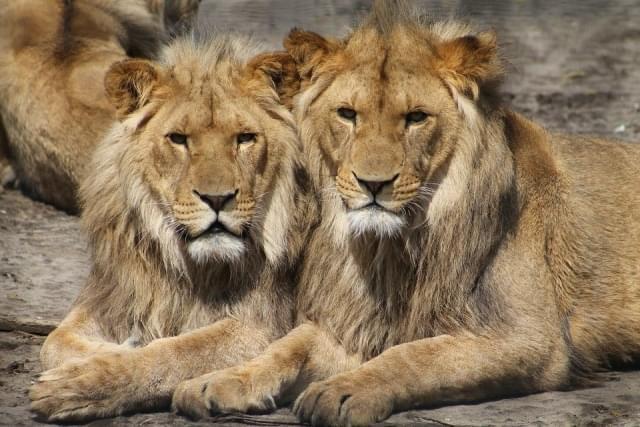
 TheKruger National Park is South Africa's largest and most famous, covering over 22,000 square metres with six different ecosystems and almost 2,000 plant species. It is home to all members of the Big Five (elephant, lion, leopard, rhinoceros, buffalo) and most are located in the southern part of the park, where there is more water and rainfall, which is why there are also more roads for sightings.
The central area, on the other hand, is excellent for cat spotting, with a massive presence of lion herds.
The northern part of the Kruger tends to be more 'monotonous', with desolate horizons and fewer animals. Arriving in the far north, the vegetation is distinctly lush, with palm trees and baobabs, and endless bird species to observe.
The Kruger is home to one of the most interesting Hide (protected viewing platforms), Lake Panic, which overlooks a large pond, where birds, hippos, crocodiles and turtles pass by. There are not many others, although in a couple it is also possible to stay overnight for a 'total' nature experience. It is also possible to tour the Kruger by 4x4, along the famous (and only remaining) Mananga Trail, some 50 km of tracks in the deepest savannah. For trekking enthusiasts, it is also possible to plan outings of a few hours, walking on paths not beaten by cars, or walking for at least 8 hours and then sleeping under the stars.
Best time: April to September, during the dry season, when the vegetation is less dense and the waterholes more concentrated. However, every season has its ups and downs, so if you are interested in spotting the cubs, it is best to go from November to January, while during the rainy season from November to March, the savannah is transformed into a sea of green in which to have intense birdwatching sessions.
Recommended duration: At least a 6-night stay
Average price: from €1,200 per person
Recommended safaris: Kruger National Park 1-day close-up safari from €70.00 - Kruger National Park 3-day discovery safari from €550.00 - Kruger National Park 2-day Camping Safari in a private tent from €290.00
2 - Gondwana Private Game Reserve
 In the Western Cape, not even 4 hours away from the magnificent Cape Town, we find the Gondwana Private Game Reserve, 11,000 hectares of protected reserve in which to have a fantastic experience. It is famous for being the only reserve in the world where you can go on safari in the Fynbos, the typical shrub vegetation of this region, and where you can see the Big Five in the company of giraffes, zebras, hippos and gazelles, as well as rare species of birds found only in this area. Trekking in the vastness of the Fynbos is also possible here, in addition to the usual safari.
Best time: January/February due to low rainfall
Recommended duration: at least a 4-night stay
Average price: from €1,100 per person
Recommended safari: 2-day wilderness safari from Cape Town from €195.00
3 - Isimangaliso Wetland Park
In the province of KwaZulu Natal (east coast) lies the Isimangaliso Wetland Park, South Africa's third largest protected area and a UNESCO World Heritage Site. It can be easily reached from Durban, the nearest city with an international airport.
The park covers an area of 32,000 hectares and comprises eight different ecosystems. The thrill of going on a night safari in search of the Big Five, which only show themselves after dusk, or choose aboat trip to encounter hippos and crocodiles along the St Lucia estuary.
The city of Durban nearby certainly offers other equally strong experiences: nightlife, perfect weather, beaches and cultural mix.
Best time: to avoid the heavy mugginess of the summer months, it is best to plan the trip during winter, from May to September.
Recommended duration: at least a five-night stay, so you can also visit Durban.
Average price: from €1,200 per person
Recommended safaris: Game Reserve safari from Durban from €199.00 - Boat safari on the St Lucia River estuary with cat and crocodile spotting from €230.00
4 - Addo Elephant Park
 In the Eastern Cape, at Addo Elephant Park the Big Five are joined by the whale and great white shark, which together make up the so-called Big Seven.
Within the park there are more than 600 elephants, among the largest groups on the entire African continent. This area also includes St. Croix Island, which is home to various bird species that share space with the largest colony of African penguins.
To get to the Addo Elephant Park, one can favour the scenic Garden Route that starts in Cape Town and goes directly to the port city of Port Elizabeth, with its beautiful beaches.
Best time: January/February for dry, sunny weather
Recommended duration: at least a 3-night stay
Average price: from €950.00 per person
Recommended Safaris: Addo Elephant Park: Full-Day Tour from Port Elizabeth from €150.00 - 6-Day Tour: Garden Route and Addo Park Safari from €460.00 - Port Elizabeth: Addo Elephant National Park 2-Day Safari from €270.00
5 - Pilanesberg National Park
 Leaving Johannesburg early in the morning, you reach the park in just under two and a half hours: a protected area of about 500 square metres, surrounded by three concentric rings of hills forming the crater of an extinct volcano, one of the largest in the world, with rare types of rock; in the centre a small man-made lake, various types of mixed vegetation and almost 400 species of birds. A unique place among the various parks and areas of South Africa, where the most diverse emotions can be concentrated.
Best time: practically all year round, in winter much colder temperatures
Recommended duration: one day is fine, ideally at least two
Average price: from €180.00 per person
Recommended safaris: Full-day safari in Pilanesberg National Park with closed vehicle from €170.00 - Pilanesberg National Park: 2-Day Safari with Chalet from €750.00 - Pilanesberg National Park: 2-Day Camping Safari from €390.00
What to wear and what to pack
The watchword has to be 'practicality' and adaptability, which means no large, rigid suitcases. With a medium-sized soft duffle bag made of washable material, you could well say that you have a battle suitcase: light, easy to carry, adaptable and water-resistant. Another basic rule is to dress in layers and bring practical clothing in natural fabrics such as linen and cotton. Do not bring excess, a few changes will suffice (you can always do a wash along the way).
The savannah climate is characterised by a wide temperature range between day and night and, even during the day, temperatures can change a lot due to sudden rains. It is therefore always necessary to provide both t-shirts and shorts for the daytime hours, and a sweatshirt, rain jacket and long trousers for the evening hours.
Itis best to wear neutral colours that reflect the sun, blend well with the surrounding nature and do not attract too much attention from insects. Instead, in the evening it is better to prefer light-coloured clothing, preferably white, which helps to protect against mosquitoes that can carry malaria and other diseases. A good repellent spray is indispensable, which can also be sprayed on clothes.
If travelling during the African winter, it is best to also bring gloves, a scarf, a hat and a windbreaker jacket with light padding. Rubber slippers are always useful for long car journeys and for showers, and sports shoes, or better still hiking boots, for excursions with the rangers and for moving around nimbly throughout the trip.
Recommended clothing: layered, minimalist and functional clothing for the severe temperature and weather fluctuations.
Useful accessories: Camera, binoculars, hat, sunglasses, swimming costume, sun cream, torch, medical kit, water bottle, backpack, notebook/diary.
Related articles
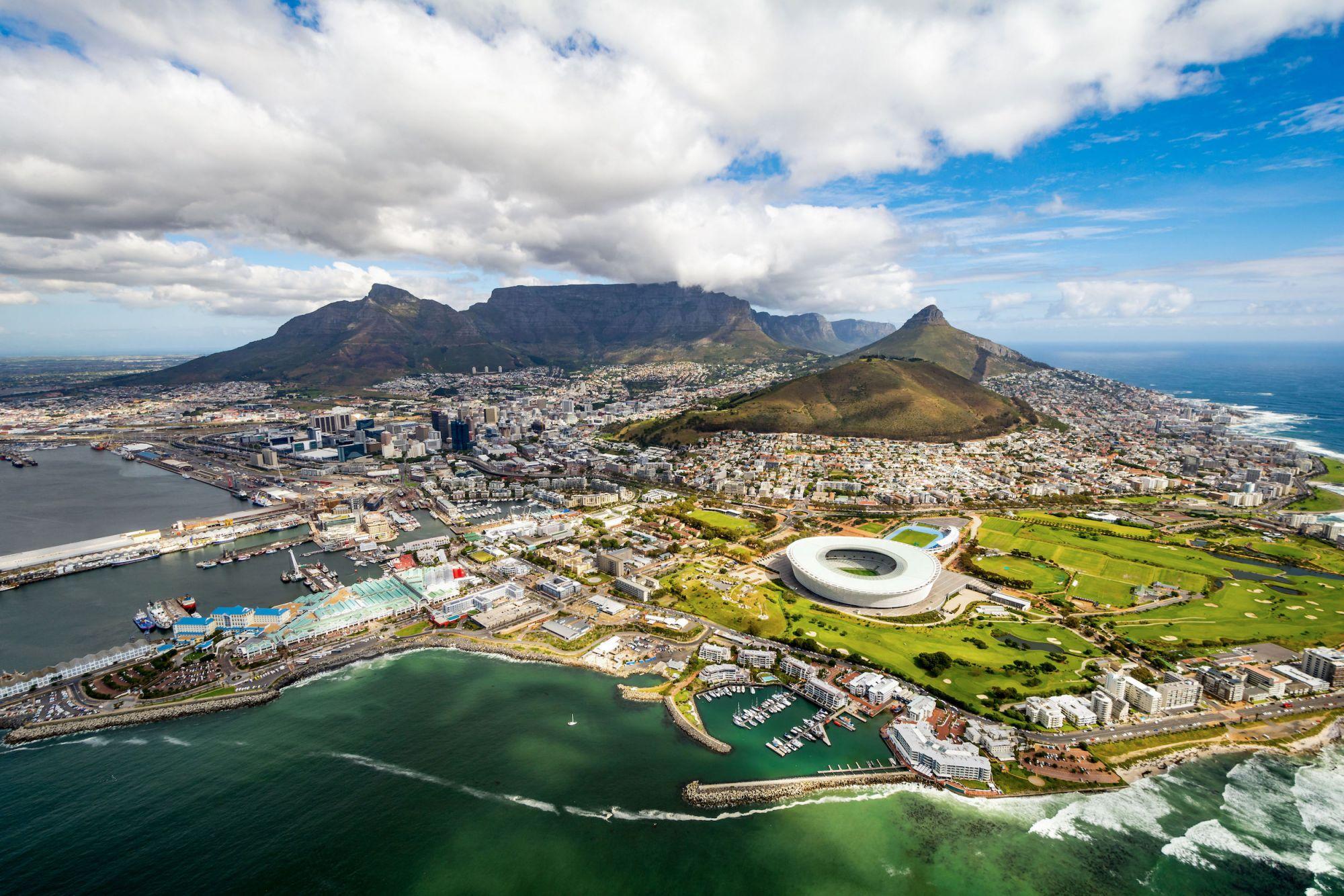
South Africa: 7 things to see and do in Cape Town
South Africa Sights: the 13 most beautiful places
Township Tourism in South Africa: On the Road in Soweto
Safari in South Africa: These are the most beautiful parks for safaris + travel tips
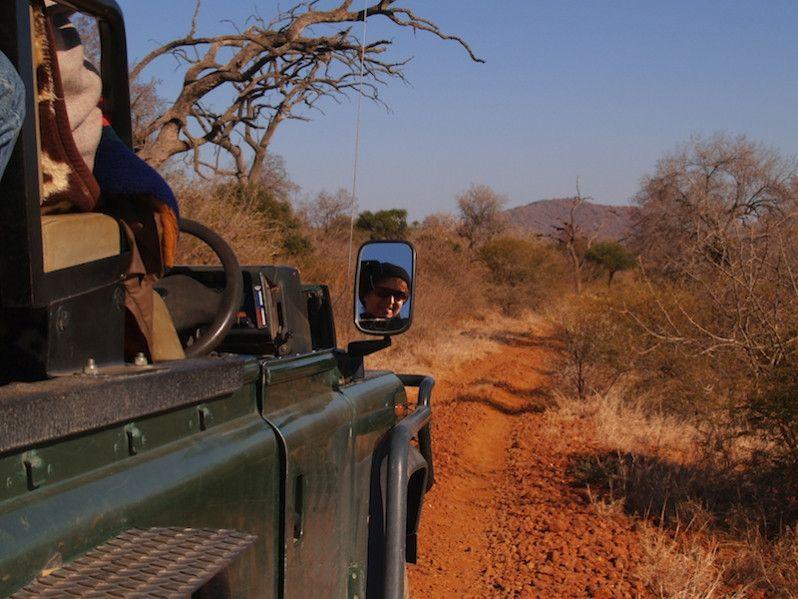
Safari in South Africa: 8 tips for the first time
Holidays in May 2024: Where to go? Best destinations and temperatures
Travel Ideas |10 destinations for a holiday with friends