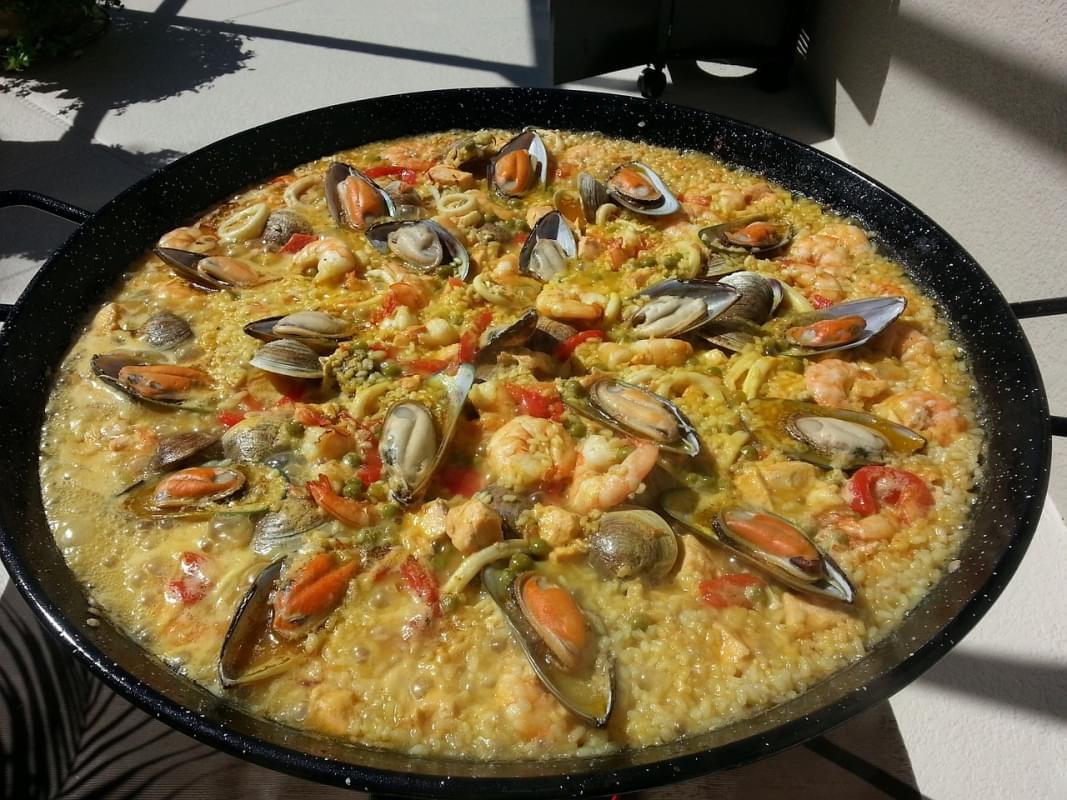
 Spanish gastronomy enjoys worldwide fame. The country is very large, recognising 17 autonomous communities (what we call regions) that are extremely different in terms of environment, population, culture and, consequently, gastronomy. Each region therefore offers its own specialities made mostly with territorial ingredients. Some Spanish dishes are by now so famous that they are also reproposed here. Others, however, are less well known, perhaps also due to the fact that they are peculiar to areas a little less frequented by mass tourism.
Before discovering together the Spanish recipes to try at least once in a lifetime, it is only right to mention and celebrate two typical products that are equally important, but 'excluded' from the list: Chorizo (characteristic sausage) and Jamón ibérico, also known as the most expensive ham in the world.
And now here is your guide to Spanish gastronomic traditions.
10 Typical Spanish dishes
1 - Paella
Let's play it safe and start with a great classic, Paella. The signature dish of Spanish cuisine, known by practically everyone and replicated everywhere with more or less happy results.
Thepaella doc is the Valencian one. It was born in Valencia in the mid-19th century.
The absolute protagonist is rice, an ingredient imported by the Arabs and which lends itself well to all kinds of combinations. The original version includes rice, saffron, chicken, rabbit, green beans, tomato and garrofò beans.
Each region of Spain, but also more simply, each family and each chef, has developed its own recipe. The variants are therefore numerous, it seems that Paella is the base and then the imagination is set free, adapting to tastes and fashions. There is in fact the de mariscos version, with fish only, the vegetarian version, the mixed version with fish, chicken, sausage, peas and peppers. On menus you can also find the nigra version, with squid ink and prawns, and the super-expensive version with shellfish and lobster only, and many others!
Recommended for: lunch, dinner (single dish)
Average cost: minimum €15.00
Main ingredients: rice, fish, chicken, sausage, rabbit, vegetables
2 - Gazpacho
 Gazpacho is a cold soup usually served as an appetiser. Very pleasant especially on hot days, it is no coincidence that it is a representative dish of Andalusia, the southernmost region of Spain and, consequently, the hottest.
The original recipe dates back to the 7th century AD. The base, consisting of stale bread, oil, vinegar, garlic and pepper, is then enriched with vegetables such as tomato, cucumber, red onion and pepper (preferably green). Classic gazpacho has a very liquid consistency.
The main variant of gazpacho is salmorejo, typical of Cordoba: it is thicker and its ingredients are garlic, tomatoes, olive oil and bread. It is served with diced ham, boiled eggs or toasted bread croutons.
Recommended for: entrèe for lunch and dinner
Average cost: €6.00
Main ingredients: stale bread, oil, vinegar, garlic, pepper, tomato, cucumber, red onion, pepper
3 - Pulpo a la Gallega or Polbo à Feira
 Pulpo a la Gallega or Polbo à Feira is a speciality of Galicia, a region in north-western Spain, which is now also easily found in other parts of Spain.
It is a dish with just a few ingredients: octopus, potatoes, paprika and chilli pepper. The secret lies in the perfect cooking of the octopus, which must be boiled in a copper pot until it becomes smooth and soft but firm. It is then cut into chunks and seasoned with a drizzle of olive oil, coarse salt and sweet paprika. If desired, the dish can be completed with a side of boiled potatoes.
Pulpo alla Gallega is the recipe of great occasions; there is no festivity in Galicia where this dish is not present on the table. According to connoisseurs, Pulpo alla Gallega should be served on a wooden platter.
Recommended: lunch, dinner
Average cost: €10.00
Main ingredients: octopus, oil, salt, paprika, potatoes
4 - Tortilla
 The tortilla is the queen of Spanish cuisine. A perfect example of the simplicity and exquisiteness of the country's cuisine.
It is, basically, a potato omelette, nice and firm and quite tall.
The traditional recipe calls for the addition of chopped onions, but not everyone likes that. Therefore, there are two factions: pro- and anti-onion.
In Spain, despite its simplicity, there are many bars where the tortilla is a real house speciality. And it is usually omnipresent, cut into cubes, on the counters set up for the tapas ritual. In coastal areas, fishermen have come up with a version with salt cod.
Among the more unusual versions is the Tortilla Sacromonte: a rich omelette with the brains and testicles of lamb or veal, potatoes, red peppers, peas, chorizo and jamón serrano. A decidedly complete dish.
Recommended for: always
Average cost: €2.00
Main ingredients: eggs, potatoes, onion
5 - Fabada
 Photo by Juan J. Martínez. Fabada is a typical recipe from Asturias. The protagonist of this dish is the faba, a type of white bean from the Asturian region, which is cooked for long hours together with other ingredients such as pork, bacon, chorizo and morcilla, a sausage similar to black pudding.
The result is a tasty red stew, ideal for long, cold days but also to recharge energy after strenuous excursions. It is no coincidence that this recipe was invented by mountain dwellers to keep warm during the winter months.
There are variations that also include clams or hare meat.
Recommended for: lunch, dinner
Average cost: €9.00
Main ingredients: faba (white bean), pork, bacon, chorizo, morcilla
6 - Huevos al salmorejo
 Photo by Tirithel. Salmorejo eggs originate from the city of Zaragoza, in the region of Aragon. It is a dish of humble origins, as can be guessed from the simplicity of its ingredients: eggs, pork, sausage, asparagus.
Although the ingredients do not seem to have much to do with each other, the resulting recipe is very tasty, to the point of being elected one of the best known in the autonomous community of Aragon.
The sausage used is absolutely Aragonese: very thick and spiced with pepper and aniseed.
It is certainly not a dish that stands out for its beauty in presentation, but for its flavour.
The sauce obtained from cooking asparagus and sausage is absorbed by the loin and especially the egg. The result on a tasting level is high-end restaurant. A very rich, tasty and decisive dish. Perfect for regaining energy and invigorating on winter days.
Recommended for: lunch, dinner
Average cost: €12.00
Main ingredients: eggs, pork, sausage, asparagus
7 - Cocido madrileño
 Photo by jlastras. Cocido madrileño is a stew made with chickpeas, vegetables, pork, sausages and sausages. It is the dish par excellence in Madrid, originally eaten by the working class to make the cold winters bearable. A true institution, it is also a strongly rooted dish in the daily life of the modern Madrilenian.
Like any traditional dish, each family prepares 'its' cocido, but no version is without chickpeas, the undisputed star of this wonderful dish.
The way of serving and eating cocido must follow a certain ritual. It is a single dish that is served in tres vuelcos, 'three reversals'. First you eat the soup to which the pasta is added, then you eat the chickpeas and vegetables, and finally you eat the meat.
Recommended for: one course for lunch or dinner
Average cost: €18.00
Main ingredients: chickpeas, vegetables, various meats, ham, chorizo, morcilla, bola
8 - Croquetas
 Croquetas are one of Spain's most versatile dishes. They are more of a hunger-breaking snack, the quintessential Spanish appetiser found in any bar and are one of the most common and popular types of tapas.
Tasty, crispy, one bite after another, Croquestas can be found with any ingredient, although the most famous are potato, Iberian ham, chicken and cod.
They are made by mixing a thick béchamel with onion and your favourite ingredient. This is then kneaded into small ellipses, covered with breadcrumbs and fried.
Recommended for: snacking, always
Average cost: from €1.00
Main ingredients: béchamel, onion, potatoes, chicken, cod, ham, frying oil
9 - Ternasco Asado
 Ternasco Asado is an important meat dish typical of Aragon, in northern Spain on the slopes of the Pyrenees. The typical ingredients of Aragon are characterised by their rural and pastoral nature: in addition to the distinctly territorial products of the land, the absolute protagonist of the local cuisine is meat.
Ternasco de Aragón IGP is themilk lamb of the Aragonese breed, ojinegra de Teruel and Roja bilbilitana, which is slaughtered within 90 days of birth. This makes it an unrivalled balance of flavours, as it is not as strong as normal lambs, nor does it taste less than suckling lamb.
Ternasco is considered 'the dish of the feast', which is why it is never missing from Aragonese tables at various celebrations. It is traditionally roasted in pieces in a wood-burning oven in an earthenware pot, accompanied by potatoes that absorb the juices released by the meat and are therefore particularly tasty. This type of cooking produces a decidedly appetising caramelised exterior.
Recommended for: lunch, dinner
Average cost: €18.00
Main ingredients: suckling lamb
10 - Bacalao al pil-pil
 Bacalao al pil-pil,'cod in pil-pil', is a typical Spanish fish dish. It originates from the Basque Country, particularly Biscay.
The cod is first desalted and then fried in a pan with garlic, oil and chilli pepper.
Despite the simplicity of the basic ingredients, the uniqueness of the dish lies in the chef's skill in processing the fish's humours to obtain the delicious white sauce with which the dish is drizzled.
Interesting fact:'Pil-pil' is said to be an onomatopoeic version to describe the swirling motion required for cooking. According to other sources, the name'pil-pil' refers to the Swahili name for piri piri chillies.
Recommended for: lunch, dinner
Average cost: €15.00
Main ingredients: cod, garlic, oil, chilli peppers
Typical Spanish sweets
Spanish confectionery is among the best known and best loved in the world and is the result of different gastronomic contaminations, the most relevant of which is Arabic. In Spanish pastries there is, in fact, a mix of spices and citrus fruits that brings everyone together.
Here is a list of the most famous desserts:
1 - Catalan cream
 The crema catalana is the Spanish dessert par excellence. A simple, spoon-fed dessert with an unmistakable flavour.
It is a simple custard made with milk, eggs, sugar and citrus flavours. On top of the cream a layer of sugar is caramelised to give it a crunchy texture.
Average cost: €2.50
Main ingredients: milk, eggs, flour, sugar
2 - Churros
 Churros are the favourite snack of Spaniards and South Americans: a fried batter, sprinkled with sugar and usually dipped in thick hot chocolate.
Besides being a snack and snack, churros are the must-have for Sunday breakfast, New Year's Eve and generally after a night of partying. They are available all year round in street stalls along the main streets, in squares and markets, but you can also find them in patisseries and chocolate shops.
They are served in a paper towel wrapper and enjoyed by dipping them in thick hot chocolate.
Churros are a real calorie bomb. But on a trip to Spain you can also indulge yourself.
Average cost: €3.50
Main ingredients: fried batter, hot chocolate
3 - Santiago cake
 Photo by Tamorlan. The Santiago cake is a simple dessert of undisputed goodness. Prepared for pilgrims about to make the famous pilgrimage, it is decorated with the cross of Santiago.
The dough consists of beaten egg whites, almond flour and sugar. When tasted, the cake should be sweet and spongy.
Average cost: €2.50 per portion/slice
Main ingredients: almonds, flour, eggs, sugar
4 - Tocino de Cielo
 Tocino de cielo is a spoon dessert made with caramelised egg yolk and sugar, compact and bright yellow in colour, very similar, at least in appearance, to the much better known Crème Caramel.
Tocino de cielo is typical of Andalusia but was actually created in 1324 by the nuns of the convent of Santo Espíritu in Jerez de la Frontera, under the name Tocinillos de Cielo de Grado. Its origin is linked to the technique of clarifying wine using egg whites. The surplus yolks were donated to the nuns who had the greedy idea.
The name Tocino de cielo, which literally means'lard from heaven' was given because of its appearance, texture and 'religious' origin. It is probably the most popular Andalusian sweet to be eaten cold.
Average cost: €2.50
Main ingredients: egg yolks, sugar, water
5 - Arnadi
 Photo by Joanbanjo. Arnadí (or Arnad), is one of the oldest sweets typical of Valencian gastronomy.
It is a homemade sweet with a golden colour, decorated with almonds and sprinkled with sugar. Its main ingredients are pumpkin and sweet potatoes, as well as almonds, pine nuts and cinnamon. It is usually accompanied by must wine or moscato.
It is prepared and consumed in the Semana Santa, the Easter week.
Average cost: €2.00
Main ingredients: pumpkin, sweet potatoes, almonds, pine nuts, cinnamon
6 - Bizcochà
 Photo by Tamorlan. Made with eggs, milk, sugar and flour, it is the counterpart to our sponge cake. Its texture is soft but spongy and it is also used as a base for more complex cakes and desserts.
Definitely try the chocolate version with chopped nuts.
Average cost: €2.00 per slice
Main ingredients: flour, milk, eggs, sugar
Drinks and liqueurs: what to drink in Spain
In Spain, lunch and dinner, or simply the traditional tapas ritual, are accompanied by tinto de verano, a characteristic drink made by mixing wine and soda. Inevitable on Spanish tables, especially at parties and reunions with friends, is a colourful pitcher of sangria.
Younger people often order the calimocho: wine and cola. No problem either for beer lovers, who can find a cool cerveza everywhere.
Given the heat that characterises much of the Iberian Peninsula for much of the year, there is no shortage of refreshing non-alcoholic drinks. Let's see what they are:
1 - Sangria
 It needs no introduction: Sangria is the Spanish-born eatery that has conquered the world.
There are thousands of recipes and versions, but the original calls for bits of fresh fruit to be added to a young red wine: peaches, apples, oranges and lemons, as well as spices such as cinnamon and cloves.
The secret to a successful sangria is to prepare it well in advance so that there is time for the ingredients to mix well and flavour the wine.
There is a Catalan variant that also involves the use of white or sparkling wines.
Average cost: minimum €15.00 a jug
Main ingredients: red wine, fresh fruit, cinnamon, cloves
2 - Cerveza
 Spain has an excellent beer production, and the ritual of beer is intrinsic to Iberian culture.
Often, throughout Spain, one comes across people from all walks of life sipping a cold beer in a bar at the height of an afternoon siesta.
The drinking culture in Spain is conceived quite differently from what we are used to: a small beer and a tapa and they are already happy! The main Spanish beer brands, which can be found almost everywhere on the Iberian Peninsula, are: Mahou, Alhambra, San Miguel, Estrella and Cruzcampo.
For those who prefer the draught version, just ask for a caña, the traditional half-pint.
Average cost: €3.00
Main ingredients: beer
3 - Horchata
 Photo by Ernesto Andrade. Horchata is a sweet and refreshing drink typical of Valencia. Very similar, especially in appearance, to our orzata, horchata is mainly drunk in the summertime.
It is made with water, sugar and chufa, the milk of a small brown tuber typical of the area. Although it is perfect for quenching one's thirst in summer, it can be found in Valencia all year round. Ideal as an alternative to the classic granita or cold coffee, horchata can also be enjoyed with churros.
Average cost: €2.00
Main ingredients: water, sugar and chufa
4 - Cava
 Cava, or rather, el Cava, is Spain's most famous classic method sparkling wine, 98% of which is produced in the middle Penedés, a small area of Catalonia between Barcelona and Tarragona; as well as in smaller localities in the north of the country.
Cava is the Catalan answer to champagne, a sparkling wine produced with the classic method but with different grape varieties. The most famous brands are Freixenet and Codornìu. A festival is celebrated in mid-October in Sant Sadurní d'Anoia, one of the villages that produce it.
Average cost: from €20.00 per L
Main ingredients: grapes
5 - Tinto de Verano
 Photo by Arkangel. Tinto de Verano is anexcellent alternative to sangria. The recipe is simple: half red wine (preferably fruity and mild) and half lemonade or soda (Sprite and 7Up are fine), usually served with ice cubes to make summer evenings even cooler.
Literally, Tinto de Verano means 'red summer wine'. It is a very popular drink in Spain, much appreciated because it is refreshing and thirst quenching, as well as easier to prepare and cheaper than sangria.
A variant of the Tinto de Verano is the Calimocho in which Coca-Cola is added to the red wine. There is also a white version: the Rebujito, made by mixing equal parts white wine and soda. Light, fresh and thirst-quenching, Tinto de Verano, Calimocho and Rebujito are perfect to accompany tapas!
Average cost: €8.00 a jug
Main ingredients: red wine, gazosa or lemonade
Tips and trivia: where to eat and what to avoid
Worth knowing: Spaniards eat very late. And the further down you go into Andalusia, the harder it is to find a restaurant that opens for dinner before 8.30pm! Everything goes accordingly: breakfast after 10am and lunch around 3pm, if not 4pm.
Lunch is the main meal, then in the evening, one nibbles here and there. In short, at dusk we go tapear. It is customary to get together with friends in a bar, have a drink and share a long series of small dishes. Tradition dictates that one does not spend the entire evening in the same place, but moves on to other bars and taverns. Tapas are mignon, finger-food versions of any typical dish. Prices vary according to type: from €0.80 for croquettes and tortillas to €5.00 (and more) for meat and fish.
As far as where to eat is concerned, there are all kinds of places to suit all budgets: from small quaint places to luxury restaurants in the most important squares, from small kiosks on the beach where you can drink a good beer to restaurants with a sea view where you can enjoy an excellent fish dinner. There is also no shortage of large markets full of local and 0 km products!
Related articles
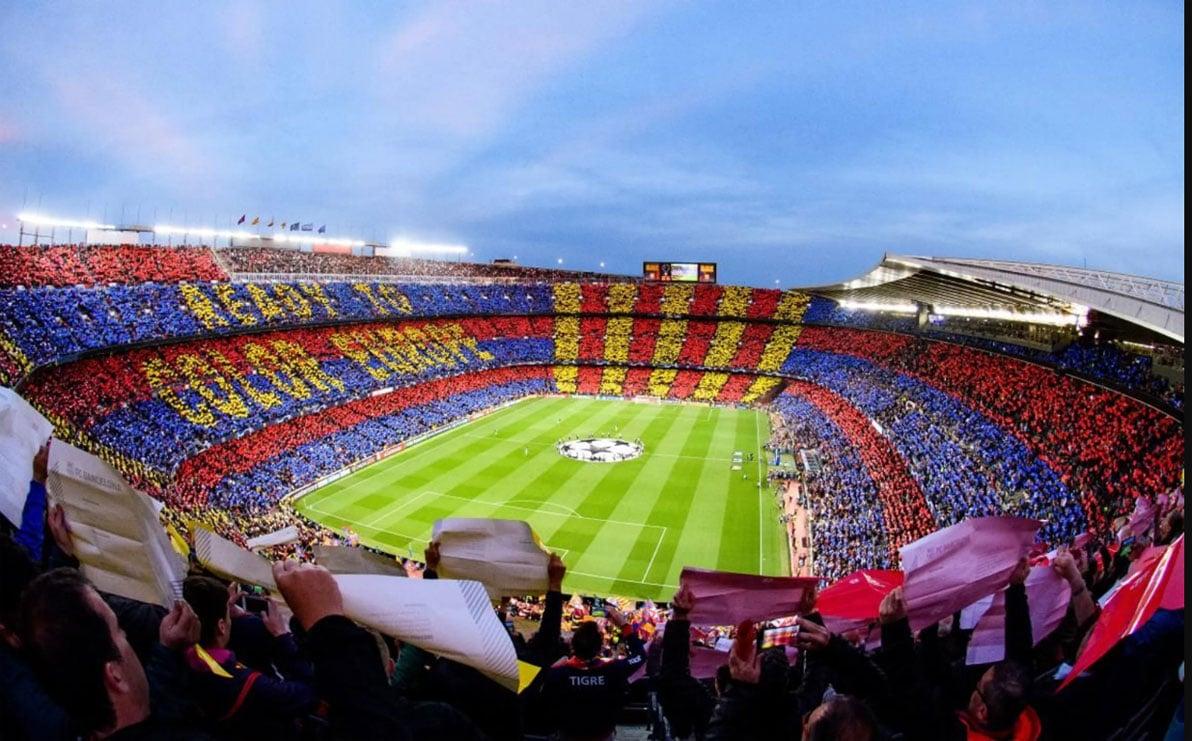
Visit Barcelona's Camp Nou stadium and the museum of one of the most successful football clubs in the world!

Bilbao Itinerary in 3 days
What are the most beautiful cities in Spain?
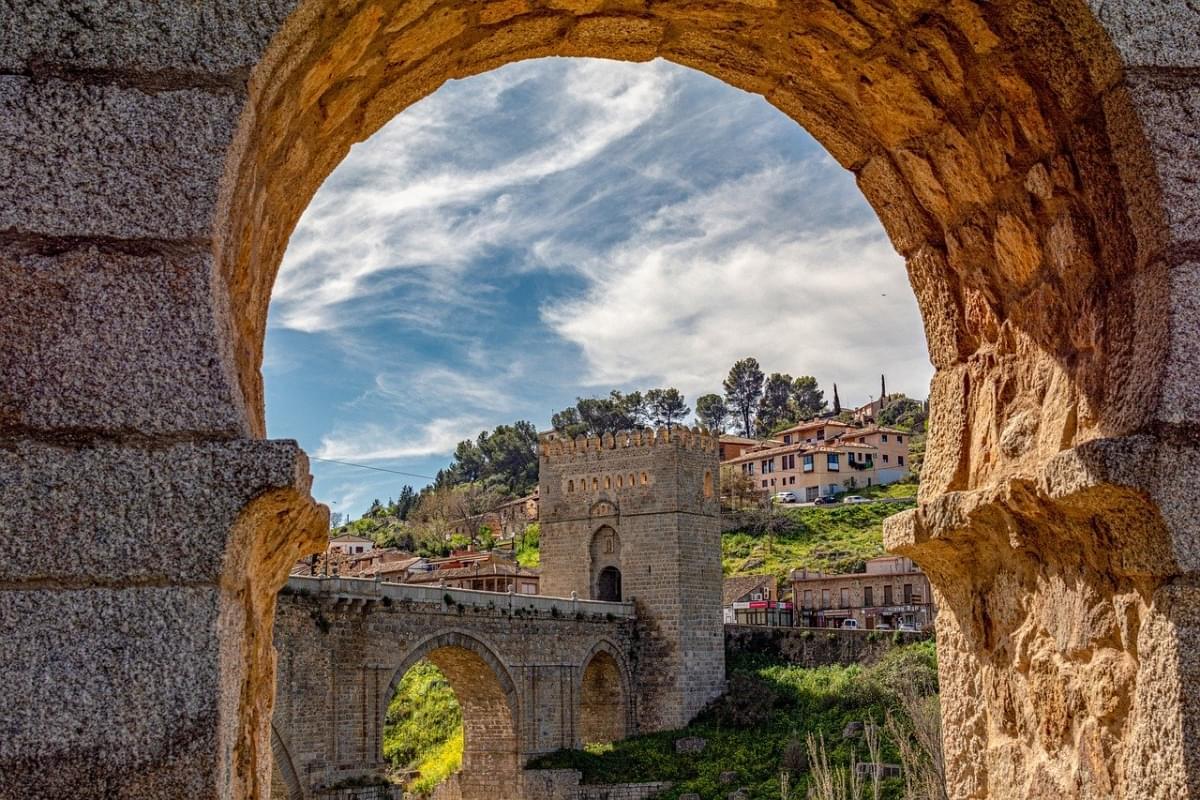
Top 10 Cities in Spain
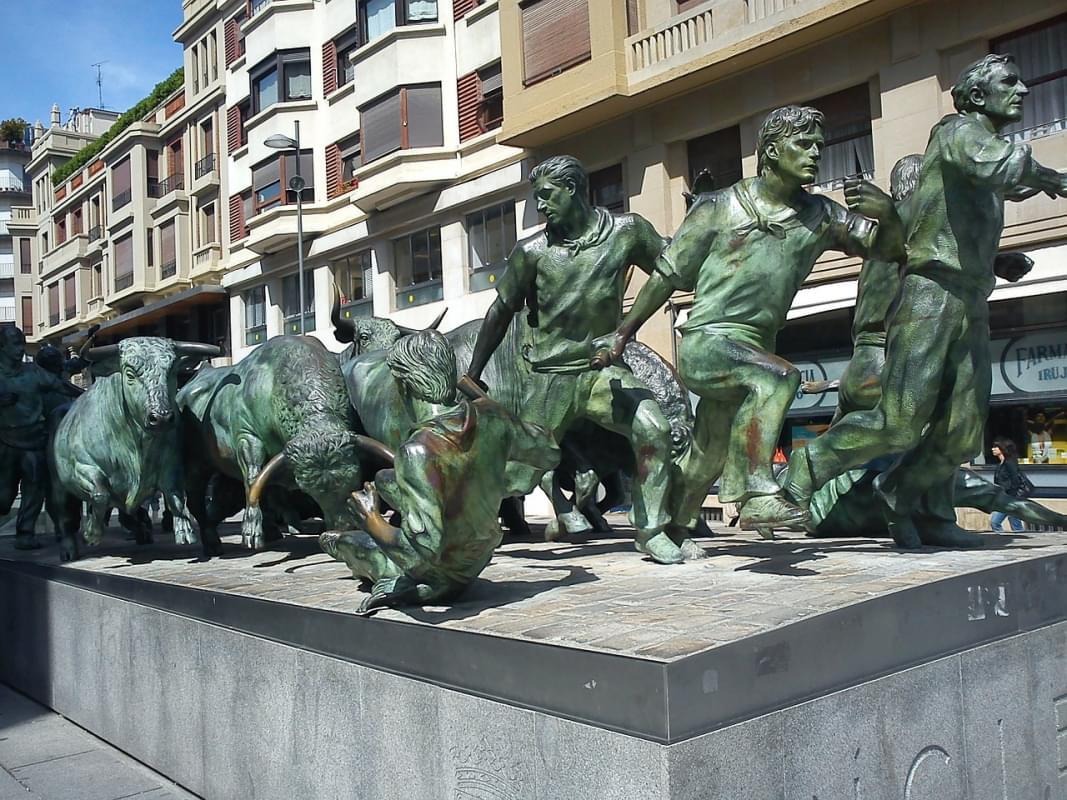
Pamplona, Spain: where is it, when to go and what to see
Hotel Claridge , Madrid - Spain
Say Cheese! These are the best restaurants for cheese lovers
The 50 best restaurants in the world