Introduction to the Rodwell Trail Adventure
Embark on the Rodwell Trail and savor the quintessence of Dorset's picturesque scenery. This historic pathway, once bustling with the echoes of passing trains, now stands as an emblematic trail showcasing the splendors of England's coastal majesty. The trail is not just a journey, but a passage through time, nature, and the heartbeat of Dorset's coastal life.
The Allure of Dorset's Coastline
Dorset's coastline, an unsurpassed blend of rugged cliffs, gentle beaches, and serene vistas, calls to adventurers and poets alike. The area is known for its rich geological marvels, most notably the riviera weymouth, a UNESCO World Heritage Site. Explorers of the Rodwell Trail are treated to an intimate experience with Dorset's varied coastal environments, where every step unfolds a new layer of natural and historical wonder.
As you wander closer to Weymouth, the Rodwell Trail invites a delightful detour to experience the charm and hospitality of the nearby riviera weymouth. This cozy seaside destination is a perfect place to relax and take in the breath-taking views that are so characteristic of the Dorset coastline.
Rediscovering the Rodwell Trail
The Rodwell Trail, a roughly two-mile trek, makes for an easily accessible yet rewarding excursion. With the soft whisper of the sea breeze accompanies your steps, the trail is perfect for families, casual hikers, and history enthusiasts. It runs on the old Weymouth to Portland Railway line, revealing lush landscapes, hidden coves, and ocean panoramas that are otherwise unseen from the bustling towns nearby.
Following the trail, visitors delve into a world of tranquility and are greeted with glimpses of maritime and railway heritage that connect the past to the present. Here's how to make the most of your Rodwell Trail adventure:
Stop | Highlights | Facilities Available |
|---|---|---|
Sandsfoot Castle | Historic ruins with gardens | Picnic areas |
Chesil Beach Viewpoint | Panoramic ocean views | Observation platforms |
Portland Harbour | Water activities and marine life | Cafés and restroom |
Smallmouth Cove | Sheltered bathing spot | None |
To start your journey, follow these simple steps:
Prepare for the weather – bring sunscreen and a raincoat to face the temperamental coastal climate.
Wear comfortable walking shoes for the varied terrain along the path.
Carry water and snacks, especially if travelling with children, as there are stretches with no facilities.
Bring binoculars to make the most of the views and possibly spot some of Dorset’s incredible wildlife.
Maintain respect for the environment by sticking to the trail and disposing of waste properly.
Embarking on the Rodwell Trail Journey

The Rodwell Trail, an evocative green artery that once echoed the steam whistles of passing trains, now provides a serene passage from the bustling heart of Weymouth towards the tranquil Rodwell Station. This historic railway line, repurposed into a scenic trail, blends the echoes of yesteryear with today's quest for leisure and connection with nature. Ready for a journey through time and tranquility?
Starting Point: Weymouth to Rodwell Station
Your adventure begins amidst the charm of Weymouth, a town that serenades the sea with its maritime history and sandy shores. To find the head of the Rodwell Trail, position yourself at the aura of its industrial past—the old Weymouth Station. From this historical perch, your onward journey retraces the storied tracks south towards Rodwell, taking you away from urban clamor, towards an embrace of coastal whispers.
As you commence your walk, you'll notice that the trail is perfectly outlined for casual strolls and vigorous bike rides alike. Its flat terrain ensures a leisurely experience, making it an ideal adventure for families, history enthusiasts, or those seeking a peaceful retreat. En route, markers of history beckon, and nature’s chorus grows louder, enriching your senses with every step.
Waymarking the Path: Navigational Tips
The Rodwell Trail is a straightforward route, predominantly following the old railway line and is punctuated by clear signage to guide you seamlessly through its length. However, to enhance the navigation experience, let's point out a few tips:
Look out for the distinctive blue and yellow waymarking signs. These icons of guidance will ensure you're always on the right track. If you're cycling, remember that pedestrians have the right of way, so keep to a courteous speed and signal when approaching others.
Waymark Symbol | Meaning |
|---|---|
➡️ | Continue Straight |
↗️ | Trail Veers Right |
↖️ | Trail Veers Left |
✖️ | Wrong Way |
🔄 | Trail Loops or Junction |
🏖️ | Nearby Beach Access |
🌳 | Area of Natural Interest |
🍔 | Food & Refreshments Available |
Step by step, let the waymarkers be your silent companions. From the start at old Weymouth Station, follow the trail and its meandering charm through the lush suburbs, with historic remnants flanking your path. Should the trail present a fork or a veer, trust the signs to guide you. They are there to ensure your journey through this green corridor is as smooth as the old trains that once journeyed along this route.
By following these simple tips, you'll find navigating the Rodwell Trail to be not only easy but part of the joy of the journey. Each marker not only serves a practical purpose but acts as a milestone of progress through Weymouth's captivating countryside towards the idyllic Rodwell Station. So step forth with confidence and let the trail unfold before you.
Glimpses of History Along the Rodwell Trail
Echoes from the Rails: The Trail's Railway Past
Traversing the Rodwell Trail is like stepping onto a platform where the echoes of locomotives and the hustle of yesteryear still linger in the air. The trail, now a peaceful footpath, was once a bustling railway line. Constructed in the mid-19th century, it facilitated the transportation of goods and passengers, playing a pivotal role in the region's development. As you walk along the very tracks that once felt the weight of countless iron wheels, it's not hard to imagine the steam and sounds of the trains that shaped this path.
Remnants of its railway past are peppered throughout the trail. From well-preserved sections of the old tracks to the restored platforms at defunct stations, history enthusiasts find themselves transported back in time. To comprehend the significance of these relics, you must consider how they revolutionized local industry and connectivity. The rail corridor now serves as a green artery coursing through the landscape, repurposed for leisure and conservation, yet its industrial heartbeat can still be felt.
Martello Towers: Monuments of Defense
The Rodwell Trail is not only a journey through the past of transportation but also a trek across the fields of ancient defense. Dotting the coastline near the trail are the age-old Martello Towers, fortifications built in the 19th century. These stout structures, typically cylindrical with thick walls, were designed to withstand attack and to house artillery that protected the shores from the threats of Napoleonic forces.
As you approach these historic bulwarks, it's intriguing to think about the soldiers who once stood guard here, scanning the horizon for enemy ships. Each tower tells its own tale of war, strategy, and resilience. To this day, they stand as a testament to the military engineering of their time and have become an integral part of the scenic views along the trail.
Features of Martello Towers | ||
Feature | Description | Function |
|---|---|---|
Cylindrical Design | A unique rounded shape to deflect cannonballs | Defense mechanism |
Thick Walls | Several feet of solid masonry for protection | Shielding the garrison |
Gunnery Positions | Openings for cannons and firearms | Offensive capabilities |
Rooftop Platform | A vantage point for lookouts and additional artillery | Surveillance and extra defense |
Echoes from the Rails: The Trail's Railway Past
Traversing the Rodwell Trail is like stepping onto a platform where the echoes of locomotives and the hustle of yesteryear still linger in the air. The trail, now a peaceful footpath, was once a bustling railway line. Constructed in the mid-19th century, it facilitated the transportation of goods and passengers, playing a pivotal role in the region's development. As you walk along the very tracks that once felt the weight of countless iron wheels, it's not hard to imagine the steam and sounds of the trains that shaped this path.
Remnants of its railway past are peppered throughout the trail. From well-preserved sections of the old tracks to the restored platforms at defunct stations, history enthusiasts find themselves transported back in time. To comprehend the significance of these relics, you must consider how they revolutionized local industry and connectivity. The rail corridor now serves as a green artery coursing through the landscape, repurposed for leisure and conservation, yet its industrial heartbeat can still be felt.
Martello Towers: Monuments of Defense
The Rodwell Trail is not only a journey through the past of transportation but also a trek across the fields of ancient defense. Dotting the coastline near the trail are the age-old Martello Towers, fortifications built in the 19th century. These stout structures, typically cylindrical with thick walls, were designed to withstand attack and to house artillery that protected the shores from the threats of Napoleonic forces.
As you approach these historic bulwarks, it's intriguing to think about the soldiers who once stood guard here, scanning the horizon for enemy ships. Each tower tells its own tale of war, strategy, and resilience. To this day, they stand as a testament to the military engineering of their time and have become an integral part of the scenic views along the trail.
Features of Martello Towers | ||
Feature | Description | Function |
|---|---|---|
Cylindrical Design | A unique rounded shape to deflect cannonballs | Defense mechanism |
Thick Walls | Several feet of solid masonry for protection | Shielding the garrison |
Gunnery Positions | Openings for cannons and firearms | Offensive capabilities |
Rooftop Platform | A vantage point for lookouts and additional artillery | Surveillance and extra defense |
Nature Meets Heritage: Sightseeing Highlights
Flora and Fauna: A Biodiversity Hotspot
Embark on a journey where the symphony of nature and the rarity of wildlife converge to offer a true spectacle. As you delve through verdant forests or traverse across grassy plains, you're likely to encounter a treasure trove of biodiversity. The area is teeming with a variety of species, each playing its unique role in the ecological tapestry. Witness the fluttering of butterflies as they dance among wildflowers, or spot the majestic birds of prey soaring high above the canopies. Here, every step brings you face to face with life in its most vibrant forms.
The region prides itself on being a sanctuary for both endemic and migratory species. Nature enthusiasts can revel in the sights of colorful floral displays that change with the seasons, each bloom attracting a host of insects and birds. Trails through this hotspot often lead to serene lakes and streams, where amphibians and freshwater fish can be spotted. The intertwining of life here serves as a powerful reminder of the interconnectedness of all living things.
Conservation efforts are the backbone of preserving this natural grandeur. Guided tours educate visitors on the importance of habitats and the roles of different species within the ecosystem. The region's commitment to sustainable tourism ensures that the beauty here is enjoyed without compromising the health of the environment.
An Ode to Geology: Rock Formations and Fossils
The tale of our planet is etched in stone, and this district's geological wonders are like the pages of Earth's grand narrative. Marvel at the precipitous cliffs, sculpted by centuries of wind and water. These natural edifices stand as silent witnesses to the undulating march of time. The intricate layers tell a story of an ancient seabed, of titanic clashes between land and ocean, giving travelers a sense of the vast span of geological history.
Tucked within these rock formations lies an even more mysterious world of fossils, holding secrets to long-extinct creatures that once roamed these terrains. Each fossil unearthed offers a clue to the past, piecing together the evolutionary puzzle. Organized excursions allow for a hands-on experience with history, offering the breathtaking opportunity to discover remnants of ancient life entombed in sediment.
The wonder doesn't end with visuals. Participate in a fossil dig under the guidance of paleontologists, learning each step of the excavation process:
Search for exposed fossils on a guided trail.
Understand how to identify potential fossil-rich sites.
Learn the techniques of careful excavation to preserve the delicate specimens.
Discover the thrill of cleaning and examining your findings.
Conclude with a workshop on fossil interpretation, giving insight into the Earth's biological and geological shifts.
In the world of geology, each rock and each fossil is a testament to the ever-changing planet. This region, rich in geological heritage, serves as a monumental classroom, a place where every grain of sand has a story to tell.
A Guide to Rodwell Trail's Rest Stops and Facilities
Best Spots for a Picnic: Eating Al Fresco
The Rodwell Trail is dappled with delightful spots where travelers can lay a blanket and enjoy a meal in the great outdoors. Nestled among these green havens, one finds charming scenes where family and friends can come together to relish local delicacies and the trail's natural beauty.
One particularly enchanting location is by the old railway bridge. With a panorama of the waterway where swans glide gracefully, it is an idyllic spot to feast and soak in the scenery. Another, located near the trail’s midway point, offers shaded tables and benches, perfect for a leisurely afternoon respite.
Those seeking a more spirited picnic environment will find the community orchard a lively choice. With the chatter of birds and the rustle of leaves, this spot combines the pleasures of a meal with the joy of being in the midst of vibrant wildlife.
At each of these locations, be sure to keep an eye out for local vendors offering seasonal treats that can add an authentic touch to your picnic spread. Remember to leave no trace; your cooperation helps keep the Rodwell Trail pristine for all to enjoy.
Stay Hydrated: Locating Water Points
Maintaining hydration is vital during your explorations of the Rodwell Trail. Fortunately, the trail boasts several water points where adventurers can refresh and refill their bottles. Knowing where these are located allows for better planning and a safer journey.
Water Point Locations Along the Rodwell Trail | ||
Location | Accessibility | Facilities Nearby |
|---|---|---|
Martinscroft Greenway Entrance | 24/7 access | Restrooms, Bike Racks |
Old Railway Bridge | Daylight hours only | Seating Areas, Viewing Platforms |
Community Orchard | Limited access (9am - 5pm) | Picnic Tables, Play Area |
Fortuneswell Gateway | 24/7 access | Information Boards, Emergency Phone |
Additionally, if you find yourself at a stretch without a water point, local cafés and taverns often accommodate hikers looking to refill their bottles. Don’t hesitate to stop by and ask; these establishments are known for their friendly staff and charming atmosphere.
Best Spots for a Picnic: Eating Al Fresco
The Rodwell Trail is dappled with delightful spots where travelers can lay a blanket and enjoy a meal in the great outdoors. Nestled among these green havens, one finds charming scenes where family and friends can come together to relish local delicacies and the trail's natural beauty.
One particularly enchanting location is by the old railway bridge. With a panorama of the waterway where swans glide gracefully, it is an idyllic spot to feast and soak in the scenery. Another, located near the trail’s midway point, offers shaded tables and benches, perfect for a leisurely afternoon respite.
Those seeking a more spirited picnic environment will find the community orchard a lively choice. With the chatter of birds and the rustle of leaves, this spot combines the pleasures of a meal with the joy of being in the midst of vibrant wildlife.
At each of these locations, be sure to keep an eye out for local vendors offering seasonal treats that can add an authentic touch to your picnic spread. Remember to leave no trace; your cooperation helps keep the Rodwell Trail pristine for all to enjoy.
Stay Hydrated: Locating Water Points
Maintaining hydration is vital during your explorations of the Rodwell Trail. Fortunately, the trail boasts several water points where adventurers can refresh and refill their bottles. Knowing where these are located allows for better planning and a safer journey.
Water Point Locations Along the Rodwell Trail | ||
Location | Accessibility | Facilities Nearby |
|---|---|---|
Martinscroft Greenway Entrance | 24/7 access | Restrooms, Bike Racks |
Old Railway Bridge | Daylight hours only | Seating Areas, Viewing Platforms |
Community Orchard | Limited access (9am - 5pm) | Picnic Tables, Play Area |
Fortuneswell Gateway | 24/7 access | Information Boards, Emergency Phone |
Additionally, if you find yourself at a stretch without a water point, local cafés and taverns often accommodate hikers looking to refill their bottles. Don’t hesitate to stop by and ask; these establishments are known for their friendly staff and charming atmosphere.
Local Flavours: Exploring Dorset's Gastronomy
Culinary Stops: Where to Savor Dorset's Delicacies
Dorset, with its rich heritage and bountiful landscape, presents a tapestry of tantalizing tastes for the avid foodie. From the rolling hills that provide pasture to grazing cattle to the lush soil that grows a variety of fruits and vegetables, Dorset's cuisine is a direct reflection of its flourishing environment.
Begin your culinary journey at the bustling farmers markets like the Dorchester’s Farmers Market, where local producers pride themselves on fresh and organic produce. Here, you can sample artisan cheeses, freshly baked bread, and handmade confectionery. Moving on, venture into one of the many farm shops scattered across the county to purchase locally-sourced meats and dairy products, ideal for a self-catered gourmet experience back at your accommodation.
For those who prefer the comfort of a prepared meal, Dorset is home to a plethora of charming country pubs and Michelin-starred restaurants. The 'The Acorn Inn' in Evershot is famous for its use of local ingredients in creating traditional British dishes with a modern twist. Meanwhile, the 'Sienna' in Dorchester, though small, is mighty in its culinary reputation, known for its seasonal and innovate menu.
Sampling Seafood: A Guide to Coastal Eateries
Dorset's coastline, also known as the Jurassic Coast, is a seafood lover’s paradise. Lining the coast are eateries ranging from quaint beachside cafes to upscale seafood restaurants, each offering the catch of the day served in styles that best highlight the freshness of their produce.
For the quintessential Dorset experience, follow these steps to find the perfect seafood dining experience:
Head to one of the iconic harbors, such as Weymouth or Lyme Regis, where daily catches are a local custom.
Choose an eatery that offers outdoor seating for an immersive experience, combining delightful flavors with scenic views.
Ask for the specials, which often feature the freshest catches and are crafted according to the season.
Don't miss out on traditional dishes like the Dorset crab sandwich or the beer-battered fish and chips.
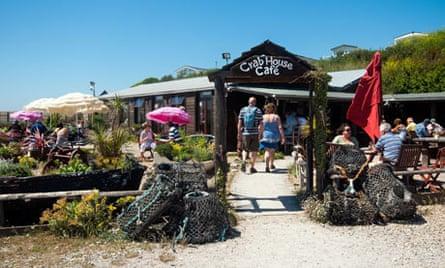
For an upscale experience, reserve a table at 'The Crab House Café' where the oysters are a must-try, harvested from their own beds.
Below is a table showcasing some of Dorset's renowned coastal eateries, their locations, and signature seafood dishes:
Eatery Name | Location | Signature Dish |
|---|---|---|
The Crab House Café | Wyke Regis | Oysters and Crab |
Hive Beach Café | Burton Bradstock | Lobster and Chips |
Riverside Restaurant | West Bay | Seafood Platter |
The Oyster & Fish House | Lyme Regis | Grilled Lemon Sole |
Planning and Preparing for the Walk
Dressing for the Trail: A Hiker's Wardrobe
Embarking on a hike demands thoughtful selection of attire to ensure comfort, protection, and mobility on the trail. It all starts with a light, moisture-wicking base layer that prevents excessive sweating. Over that, wear an insulating layer like a fleece or down jacket, depending upon the weather. Add a windproof and waterproof outer layer to shield against the elements.
Choosing the right pair of boots is crucial—they should be well-fitted, broken-in, and designed for the terrain. Supplement your footwear with moisture-wicking socks that can prevent blisters. Additionally, accessories such as gloves, a hat, and UV-protection sunglasses are essential, especially under unpredictable mountain weather conditions.
Lastly, consider the length of your hike when picking out your wardrobe. Quick-dry pants and convertible trousers offer versatility and ease. Similarly, a lightweight backpack with breathable straps contributes to overall comfort and endurance on longer trails.
Clothing Item | Features | Notes |
|---|---|---|
Base Layer | Moisture-wicking, Lightweight | Keep dry to maintain body temperature |
Insulating Layer | Fleece or Down | Adjust layers based on weather conditions |
Outer Layer | Windproof, Waterproof | Essential for protection against the elements |
Footwear | Sturdy, Comfortable, Terrain-appropriate | Should be broken-in before long hikes |
Accessories | Gloves, Hat, Sunglasses | Crucial for weather protection and UV defense |
Trail Etiquette: Respecting Nature and Fellow Walkers
Trail etiquette is a set of unwritten rules that help preserve nature's serenity and ensure a pleasant experience for everyone. One fundamental aspect of trail etiquette is adhering to the 'Leave No Trace' principles. This means pack out everything you bring in, staying on marked trails to protect native flora and fauna, and not disturbing wildlife.
When encountering fellow hikers, the accepted practice is that those ascending have the right of way. It's also courteous to keep noise to a minimum, so all can enjoy the natural soundscape. If you must listen to music, use headphones, and keep the volume at a level where you can still hear your surroundings.
Step by step, here's how to share the trail responsibly:
Greet fellow hikers with a smile or a nod to acknowledge their presence.
Stay to the right of the trail, pass on the left, and always announce your intention to overtake.
Control pets by keeping them leashed and ensure they do not intimidate other trail users.
Pack all trash, leftovers, and other waste to leave the trail as you found it.
Follow any posted signs, especially those that note fragile ecosystems off-limits to hikers.
Remembering these guidelines ensures that the great outdoors remains a sanctuary for all who wander in its paths.
Dressing for the Trail: A Hiker's Wardrobe
Embarking on a hike demands thoughtful selection of attire to ensure comfort, protection, and mobility on the trail. It all starts with a light, moisture-wicking base layer that prevents excessive sweating. Over that, wear an insulating layer like a fleece or down jacket, depending upon the weather. Add a windproof and waterproof outer layer to shield against the elements.
Choosing the right pair of boots is crucial—they should be well-fitted, broken-in, and designed for the terrain. Supplement your footwear with moisture-wicking socks that can prevent blisters. Additionally, accessories such as gloves, a hat, and UV-protection sunglasses are essential, especially under unpredictable mountain weather conditions.
Lastly, consider the length of your hike when picking out your wardrobe. Quick-dry pants and convertible trousers offer versatility and ease. Similarly, a lightweight backpack with breathable straps contributes to overall comfort and endurance on longer trails.
Clothing Item | Features | Notes |
|---|---|---|
Base Layer | Moisture-wicking, Lightweight | Keep dry to maintain body temperature |
Insulating Layer | Fleece or Down | Adjust layers based on weather conditions |
Outer Layer | Windproof, Waterproof | Essential for protection against the elements |
Footwear | Sturdy, Comfortable, Terrain-appropriate | Should be broken-in before long hikes |
Accessories | Gloves, Hat, Sunglasses | Crucial for weather protection and UV defense |
Trail Etiquette: Respecting Nature and Fellow Walkers
Trail etiquette is a set of unwritten rules that help preserve nature's serenity and ensure a pleasant experience for everyone. One fundamental aspect of trail etiquette is adhering to the 'Leave No Trace' principles. This means pack out everything you bring in, staying on marked trails to protect native flora and fauna, and not disturbing wildlife.
When encountering fellow hikers, the accepted practice is that those ascending have the right of way. It's also courteous to keep noise to a minimum, so all can enjoy the natural soundscape. If you must listen to music, use headphones, and keep the volume at a level where you can still hear your surroundings.
Step by step, here's how to share the trail responsibly:
Greet fellow hikers with a smile or a nod to acknowledge their presence.
Stay to the right of the trail, pass on the left, and always announce your intention to overtake.
Control pets by keeping them leashed and ensure they do not intimidate other trail users.
Pack all trash, leftovers, and other waste to leave the trail as you found it.
Follow any posted signs, especially those that note fragile ecosystems off-limits to hikers.
Remembering these guidelines ensures that the great outdoors remains a sanctuary for all who wander in its paths.
Extending the Journey: Beyond the Rodwell Trail
Connecting Routes: Joining Other Dorset Trails
The Rodwell Trail is just a fragment of the tapestry of trails available in the Dorset area. Extending your journey is as simple as connecting to adjacent paths, each offering their own unique terrain and scenic vistas. For the adventurous spirit, linking these trails can turn a day hike into a multi-day escapade across historic and natural landscapes.
From the end of the Rodwell Trail, you can seamlessly transition onto the South West Coast Path. This trail is England's longest waymarked long-distance footpath and a National Trail, stretching for 630 miles. If you're looking for a shorter connection, the Jubilee Trail is another option. This 90-mile route traverses through the heart of Dorset, connecting with various other paths along the way.
Town Hopping: Nearby Locations Worth Visiting
Exploring Dorset’s charming towns is a delightful complement to any hiking adventure. Each town offers a distinct blend of history, culture, and local cuisine, ensuring your exploration enriches both body and soul.
Town | Distance from Trail | Highlights | Cuisine | Accommodation |
|---|---|---|---|---|
Weymouth | 0 miles - End of Trail | Historic Harbor, Sandy Beaches | Seafood, Traditional British | Guesthouses, B&Bs |
Portland | 5 miles | Portland Bill Lighthouse, Castles | Local Ales, Pies | Boutique Hotels |
Dorchester | 8 miles | Thomas Hardy's Cottage, Museums | Gastro Pubs, Cafés | Charming Inns |
Lulworth | 15 miles | Lulworth Cove, Jurassic Coast | Fresh Fish, Ice Cream | Country Houses |
Swanage | 26 miles | Swanage Railway, Beaches | Cream Teas, Fish & Chips | Victorian B&Bs |
Here’s a step-by-step guide to exploring the nearby town of Weymouth after your trail adventure:
Take a stroll along the historic harbor, where you can watch boats glide by or catch a fishing charter.
Visit the Sandy Beaches for some relaxation, or enjoy the thrill of water sports.
Savor the catch of the day at one of the seafood restaurants overlooking the sea.
Find unique gifts or souvenirs in the boutique shops that line the cobblestone streets.
Retire to a cozy guesthouse or bed and breakfast to recharge for another day of exploration.
Each of these towns is easily accessible from the Rodwell Trail, whether you’re traveling on foot, by bike, or using local public transportation. Make the most of your journey through Dorset by discovering the character and charm of its nearby towns.
Concluding the Rodwell Trail Experience
Memories to Cherish: Capturing the Journey
As the sun dips below the horizon and your journey along the Rodwell Trail comes to an end, you are left with a tapestry of experiences woven into your memory. Each footstep on the trail has been a note in the symphony of your adventure, creating a melody that will resonate long after you've returned home.
Reflect on the sights you witnessed, the scents of the natural surroundings, the conversations with fellow hikers, or the quiet moments of solitude. These experiences have created snapshots in time—a personal album that no camera could fully capture—but here, we will attempt to frame these moments with words and the lasting impressions they leave.
Why Return? The Ever-Changing Beauty of Rodwell Trail
The Rodwell Trail is a medley of natural landscapes that blend seamlessly, offering a canvas that changes with the passing of each day and season. Your first journey may have introduced you to its springtime bloom or its autumnal palette, yet these sights are but a single glance into the trail's ever-shifting beauty.
Beckoning walkers, cyclists, and nature lovers back time and again are the subtle changes that occur—changes that transform the familiar into something new and wondrous. Consider the table below, which captures just a whisper of why one could return to the Rodwell Trail throughout the seasons:
Season | Flora | Fauna | Landscape | Experience |
|---|---|---|---|---|
Spring | Bursts of wildflowers | Migratory Birdsong | Verdant Greenery | New Life |
Summer | Lush Canopies | Butterflies & Buzzing Bees | Full Bloom | Warmth & Vitality |
Autumn | Russet & Gold Leaves | Flocking Birds Southward | Misty Mornings | Reflection & Transition |
Winter | Bare Branches against Blue Skies | Wintering Wildlife | Frosted Paths | Quiet Solitude |
With each return, you'll find not only the landscape transformed but also your own perceptions. The Rodwell Trail, like a good friend, greets you with both familiarity and newfound secrets. Its paths are more than routes through the countryside; they are portals to discovering the nuances of nature and, perhaps, a deeper understanding of oneself.