Since the Middle Ages, Aberdeenshire and neighbouring Moray in the north-west have been the richest and most fertile regions of the Highlands.Aberdeenshire is most famous for its Angus steers from Aberdeen, its many fine castles and thriving Aberdeen. Today, this centre thrives mainly on North Sea oil revenues, and its prices are sometimes so high that they rival those of London, but it also holds fascinating architectural, urban and cultural elements. Let's go and discover them.
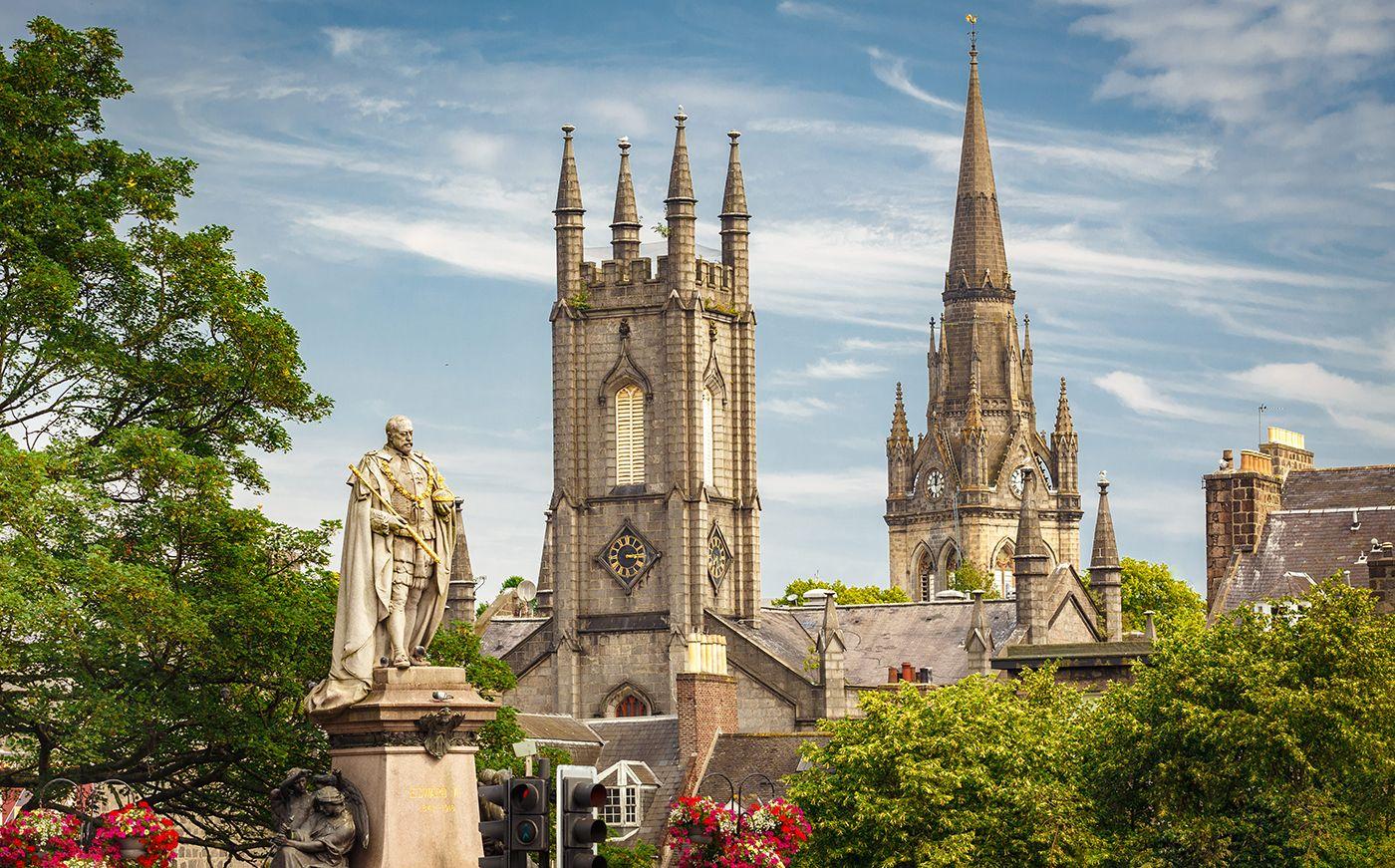
In the heart of Aberdeen. Credits Atmosphere1 / Shutterstock
Aberdeen, the granite city: around the centre
Known throughout Scotland as the 'granite city', Aberdeen was built largely with the silver-grey stone quarried from the now-abandoned Rubislaw Quarry, but which was once considered Europe's largest man-made quarry. On sunny days the granite gives the city a singular glow, but when low, grey clouds swollen with rain arrive from the North Sea it is hard to tell where the buildings end and the sky begins.

Aberdeen, ancient atmosphere of Castlegate. Credits Julietphotography / Shutterstock
Union St, the city's main thoroughfare, is lined with massive Victorian-style buildings, constructed from local granite. The oldest area is Castlegate, located at the eastern end of Union Street where the castle once stood. Robert the Bruce (Robert I of Scotland) succeeded in conquering the English-occupied manor with the help of the townspeople, who used the watchword 'bon accord', which later became the town's motto.
At the centre of Castle St stands Mercat Cross(Castle St), a 17th century cross carved with a frieze depicting the Stuart monarchs. The castle-like structure that towers at the eastern end of Castle St is the Salvation Army Citadel, for the construction of which Balmoral Castle was used as a model.
On the north side of Union St, 200m west of Castlegate, you will come across Provost Skene's House, one of the oldest buildings in the city. Continue another 100m west and you will come across St Nicholas Church, the so-called 'Mither Kirk' (Mother Church) of Aberdeen. The granite spire dates from the 19th century, but there is evidence of a church on the site since the 12th century; St Mary's Chapel, dating from the early 15th century, is incorporated into the eastern part of the church.

The reconstructed oil rig at the Aberdeen Maritime Museum. Credits Ondrej_Novotny_92 / Shutterstock
Aberdeen Maritime Museum
The Maritime Museum dominates Aberdeen's busy harbour. A North Sea oil rig is reproduced on three floors in the central part of the building to illustrate the fundamentals of the extractive industry. Other sections of the museum, some of which are housed in Provost Ross's House, the city's oldest building, are devoted to shipbuilding, whaling and fishing. In the 19th century, Aberdeen shipyards specialised in the construction of fast clippers, the sailing ships with three or more masts used to import products such as tea, wool and exotic goods (opium, for example) into the UK and transport emigrants to Australia on their return journey.

A room in the Aberdeen Art Gallery. Credits Colin Smith
Sign up for our newsletter! For you weekly travel tips, special offers, stories from around the world and 30% discount on your first order.
Aberdeen Art Gallery
Behind the grandiose façade of theAberdeen Art Gallery is a refined exhibition space characterised by a profusion of marble. On display are works by contemporary Scottish and English painters such as Gwen Hardie, Stephen Conroy, Trevor Sutton and Tim Ollivier. Also on display are several landscapes by Joan Eardley, a painter who lived in a cliffside cottage near Stonehaven in the 1950s and 1960s, producing oil paintings of the stormy North Sea and poignant portraits of children from deprived neighbourhoods. Among the Pre-Raphaelites, upstairs, don't miss the works of Aberdeen-born William Dyce (1806-64), which range from sacred subjects to rural scenes.
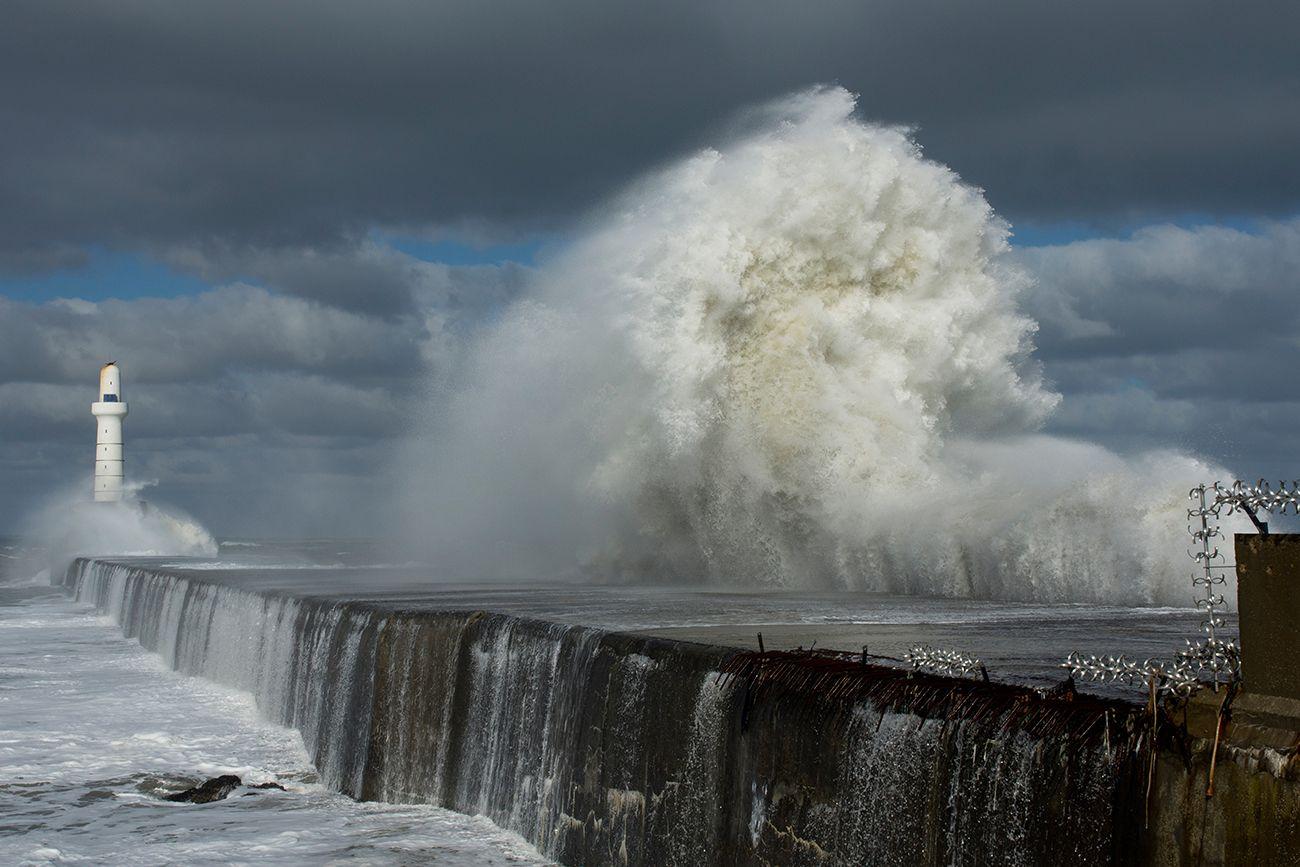
A swell at Aberdeen Harbour. Credits Stephen Whitmarsh / Shutterstock
Aberdeen Harbour
Aberdeen has a busy harbour, full of research and supply vessels serving offshore oil platforms, as well as ferries transporting people and vehicles to Orkney and Shetland. Despite the heavy traffic, the waters off the harbour are teeming with marine life: in summer, dolphins, porpoises and basking sharks can be spotted from cruise ships or from the headland of Girdle Ness, south of the harbour entrance.

Aberdeen Beach on a sunny afternoon. Credits Malte Borggrewe / Shutterstock
Aberdeen Beach
Just 800m east of Castlegate begins a spectacular beach of clean, golden sand, just over 3km long, stretching between the mouths of the Dee and Don rivers. At one time Aberdeen Beach was a popular holiday destination, but the wide availability of cheap stays at warmer shores has diverted the interest of Scottish holidaymakers from the icy charms of local beaches. On sunny summer days, however, Aberdeen beach proves to be a very pleasant place and, when sea conditions are favourable, a small group of keen surfers can be seen at its southern end.

Around Old Aberdeen. Credits Vero Villa. Wiki Commons
Old Aberdeen
About 1.5 km north of the city centre lies the district known as Old Aberdeen. The name (Old Aberdeen) is misleading because, although this area of the city is certainly old, the area around Castlegate is more so. Originally this part of the city was called Aulton, a toponym derived from a Gaelic expression meaning 'village by the stream', but in the 17th century the name was anglicised to Old Town.