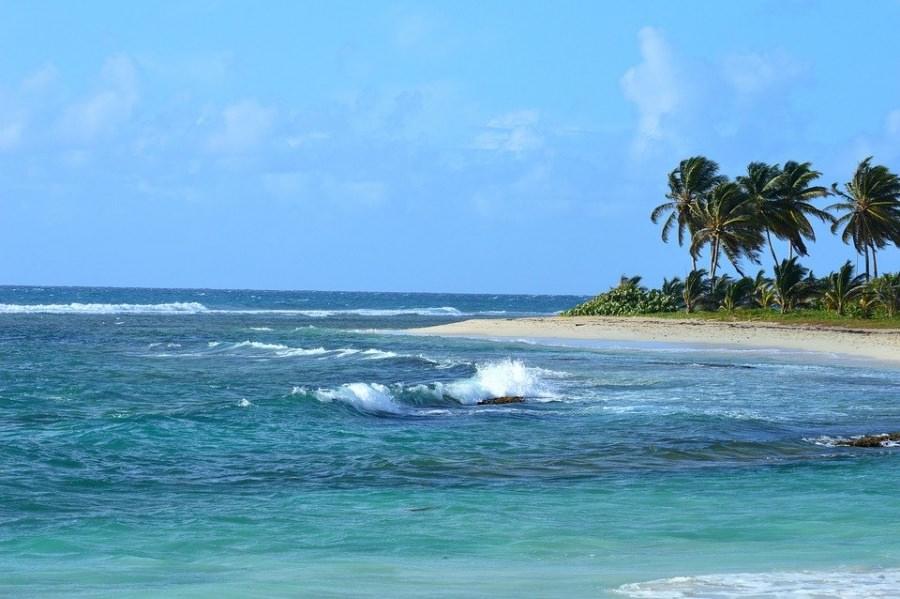
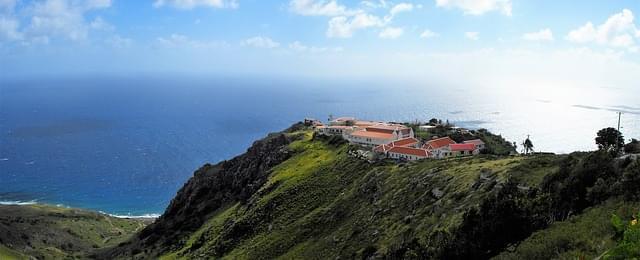
 Saint John is a Caribbean island in the Lesser Antilles belonging to the US Virgin Islands archipelago. Inhabited by aggressive Caribbeans, it was conquered by the Danes in 1718 and colonised to exploit its territory for sugar cane cultivation. Along with the other Virgin Islands, it was sold to the US in 1917. Today, St John is considered a true natural paradise.
Travelling informed: useful info
Inhabitants: 120,000
Capital: Charlotte Amalie
Languages: English (official), Creole-English, Spanish, Creole-French
Local currency: US dollar(€1.00=1.15 USD)
Climate: tropical, with average maximum temperatures between 29°-32°C and minimums between 22°-26°C
Vaccinations: No vaccine is required.
Entry requirements: for Italian citizens who intend to stay for less than 90 days, a valid passport and return ticket are sufficient. Otherwise, a visa will be required. To obtain one: you must collect an application form from the US consulate, which must be returned filled out together with 2 photos, a €50 revenue stamp, and payment of the €90 cancellation fee.
Distance from Italy: the distance from Italy expressed in time, varies considerably depending on the stopovers made by the airline. Calculating a direct flight, it takes about 14 hours, while with two or more stopovers, it ranges from 15 to 19 hours. Charlotte Amalie is 7,644 km from Rome.
Location
St John is part of the Virgin Islands, located in theAtlantic Ocean, and is politically divided between the US and the UK. The westernmost islands belong to the USA, including St John and St Croix, which is detached from the rest of the archipelago.
How to get there
FromRome: there are no direct flights to St John from Italy. The major airlines that operate this route are Alitalia, Delta, Air France and KLM, with stopovers in New York or Atlanta. Flights land at the Cyril E. King airport in St. Thomas. Once there, it is necessary to reach the port to embark for St.John (reachable only by sea).
From Milan: the airlines change toUnited, Lufthansa, SWISS and Helvetic. Stopovers are made at Newark International Airport in New Jersey. Flights land at the Cyril E. King airport in St. Thomas. Once there, one has to reach the port to embark for St.John (reachable only by sea).
Frommajor European capitals: a 14-hour flight from London, counting a stopover in Antigua. From Paris or Berlin: 17 to 18 hours flight time, calculating the two stopovers in London and New York.
When to go? Info on climate and best time
Month | Average temperatures (min/max) | Precipitation (days/mm) |
|---|---|---|
January | 22° / 29° | 10 days / 50 mm |
February | 22° / 30° | 8 days / 35 mm |
March | 23° / 30° | 7 days / 35 mm |
April | 23° / 30° | 8 days / 70 mm |
May | 25° / 31° | 10 days / 80 mm |
June | 25° / 32° | 8 days / 70 mm |
July | 26° / 32° | 9 days / 65 mm |
August | 26° / 32° | 12 days / 95 mm |
September | 25° / 32° | 13 days / 140 mm |
October | 25° / 32° | 14 days / 155 mm |
November | 25° / 32° | 13 days / 140 mm |
December | 23° / 30° | 12 days / 70 mm |
Climate: tropical, i.e. hot all year round, characterised, however, by two periods: one from December to April, with maximums around 28/29 °C, therefore with a heat that can be defined as 'pleasant', and a more sultry one, from May to November, with maximums around 31/32 °C, when the heat is tempered by breezes, but is still very sultry.
Best period: December to April, when the heat is moderate and outside the hurricane period. We recommend January, February and March, which are the driest months. April is still a good month, although there is some increase in heat, and in some years there has been heavy rainfall (sporadic occurrence).
Period to avoid: between June and November, when the risk of tropical storms and hurricanes increases. In particular, August, September and October should be avoided.
Tips: from December to April bring light clothes and a sweatshirt for the evening. From May to November, summer clothes, a light sweatshirt and a light mackintosh for thunderstorms, and possibly a sweatshirt and pashmina for air conditioning are fine. High-protection sun cream and anti-mosquito lotion are recommended. Also carry dressing, in case of cuts from the corals. Also remember that the fish in the area are not all harmless.
10 things to see: beaches and places of interest
National ParkService: a 5160-hectare national park where rare species of animals are included in special protected biospheres created by UNESCO. Here you can hike among the ruins of sugar plantations, go snorkelling and visit petroglyphs carved by the Indians.
Annaberg Sugar Plantation: an archaeological site where you can admire the remains of the Danish colonial period, the best-preserved old sugar plantations on the island and the stunning views.
Cinnamon Bay: the longest beach on St. John, if not the most pristine. The white sand, dotted with coconut palms and its shallow waters make Cinnamon Bay ideal for family travellers and snorkellers.
Reef Bay: a place to hike among the island's oldest and tallest trees, along the trails you will come across Danish sugar plantation ruins, stone walls, ancient rock carvings and a beautiful waterfall
Trunk Bay: considered to be one of the most beautiful beaches in the world, it is surrounded by palm trees and mangroves, with the turquoise sea breaking on the white sand
Hawknest Bay: the most popular beach, given its proximity to Cruz Bay. Depending on the tides, the beach changes shape and is the best place to admire the beautiful coral reef, although the waves can make snorkelling difficult on some days.
Cruz Bay: the economic and social centre of the island with its lively bay, pier and surrounding streets overflowing with restaurants and shops. Don't miss Mongoose Junction: a sort of shopping mall built in Caribbean architecture.
What to do in St John: excursions and tours
How much does a holiday in St John cost? Prices, offers and tips
 Holidaymakers in the Virgin Islands have risen considerably in recent years. The average price of a night in a hostel is €44.00, which becomes €145.00 in the case of 2-star hotels. Changing ends of the island the discourse does not change, therefore, it is advisable to opt for flight+hotel packages, easily found on sites such as Expedia.
As far as lunch and dinner costs are concerned, restaurant prices far beat those of supermarkets, with €13.00 required for a meal in an inexpensive restaurant compared to €4.00 to spend on a loaf of bread. Alternatively, the price lists of large fast food chains are the same as those in Italy.
Car hire in St. John is run by private individuals, all of whom are recommendable, and by a few agencies, which close very soon. The average daily rental price is €65.00, and petrol costs about €0.72 per litre, compared to the public transport ticket which costs €1.70 per ride.
Where to stay: Hotels and B&Bs from €283.00 per room - see offers
Low cost flights: from €981.00 - see deals